Rare Soda Cap Variations You Might Find at Local Flea Markets

Unique Edge Crimp Patterns
Limited Edition Colorways
Regional Specialty Designs
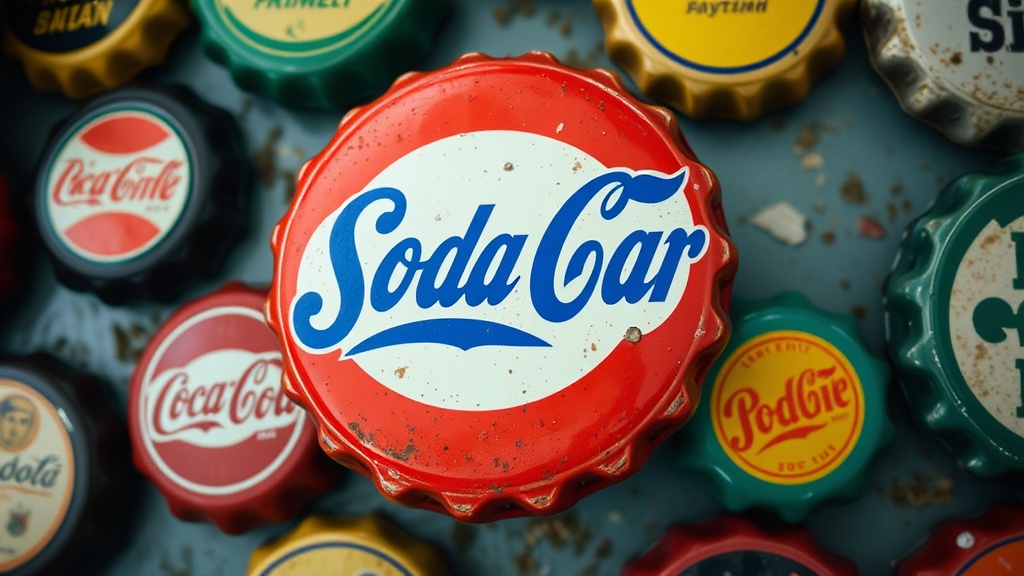
Dusty wooden crates sit heavy on folding tables, and under a single flickering fluorescent bulb, a single weathered metal cap catches the light. You aren't looking for common Coca-Cola or Pepsi closures here; you're hunting for the anomalies. This post examines the specific, rare soda cap variations—such as error prints, discontinued colorways, and regional-only releases—that often hide in plain sight at local flea markets and estate sales. Finding these requires a sharp eye for detail and a bit of luck.
What Makes a Soda Cap Rare?
A soda cap becomes rare when it features a production error, a limited-run promotional design, or a specific manufacturing era that is no longer in circulation. Most collectors look for things like "short-run" errors where the printing machine skipped a beat, or "transition" caps that bridge two different brand identities. These aren't just any old closures; they are the outliers of the production line.
In the world of collectibles, scarcity drives value. A standard 26mm cap from a major soda brand is easy to find, but a 26mm cap with a misaligned logo or a unique "under-cap" color is a different story. Sometimes, the rarity comes from the material itself—like certain early aluminum-lined versions that were phased out for cost-saving reasons. It's the little things that differentiate a common find from a centerpiece.
If you're just starting out, I highly recommend checking out this beginner’s guide to collecting soda caps. It covers the basics of what to look for before you dive into the high-stakes hunting at flea markets.
How to Identify Error Caps at Flea Markets?
You identify error caps by looking for deviations from the standard branding, such as misprinted text, off-center logos, or incorrect color schemes. These deviations are usually unintentional mistakes made during the high-speed manufacturing process.
When you're digging through a bin of "junk" metal or glass, look for these three specific types of errors:
- Misprints: This is when the text is upside down, or a letter is missing. A "Coke" cap that says "Coe" isn't just a mistake—it's a potential find.
- Color Swaps: Sometimes a production run uses the wrong colored liner or even the wrong colored metal. A bright green liner in a cap that usually has a white one is a massive red flag (in a good way).
- Logo Misalignment: If the logo is creeping off the edge of the cap, it’s a sign of a machine malfunction. These are much harder to find than you'd think.
Don't just grab everything. You need to look closely. If the metal feels slightly different or the weight is off, it might be a sign of a different manufacturing process. It's also worth noting that many "errors" are actually just different regional versions that look like errors to the untrained eye. Always double-check your findings against a known standard.
One thing to watch out for is the "fake" error. Some people intentionally scratch or alter caps to make them look like misprints. To avoid this, look for the way the ink sits on the metal. Real errors usually have a natural, uniform look to the mistake, whereas manual alterations look forced or messy.
Common Variations by Type
To keep your search organized, it helps to categorize what you are actually looking for. Not every "weird" cap is a high-value item. Use this breakdown to gauge what you're holding:
| Variation Type | Description | Rarity Level |
|---|---|---|
| Regional Exclusive | Caps only produced for specific small towns or countries. | Medium |
| Promotional/Promo | Caps featuring prize codes or special tie-in art. | High |
| Color/Liner Error | The internal plastic liner is a non-standard color. | Very High |
| Material Shift | Transitions from steel to aluminum or different coatings. | Low to Medium |
Where Can You Find Rare Soda Caps?
The best places to find rare soda caps are flea markets, estate sales, and antique malls where items are often uncatalogued and unsorted. Unlike specialized collector shows, these venues often feature "bulk" bins where the truly unique items are buried under common pieces.
Flea markets are the gold mine for this hobby. Vendors often don't know the difference between a common 1990s cap and a rare 1950s variation. They just see a bucket of metal. This is where you can find the best deals, but you have to be willing to get your hands dirty. You'll likely spend more time looking at the bottom of a bin than looking at the top.
Estate sales are another great avenue. When families are clearing out decades of household items, they often don't realize the value of the small-scale collectibles sitting in a junk drawer. If you see a box of "old stuff" or "odds and ends," that is your cue to step in. It's a way to find items that have been tucked away for years without any exposure to the modern market.
If you find something that looks suspicious, you should be able to verify its authenticity. A good resource for checking metal types and historical manufacturing standards is the Wikipedia entry on bottle caps, which provides a good historical context for how these objects have changed over time.
How Much Do Rare Soda Caps Cost?
The cost of rare soda caps varies wildly based on the level of error, the brand's popularity, and the current demand among collectors, ranging from a few dollars to hundreds of dollars for extreme outliers.
There isn't a fixed price list for these items. A common error might only fetch you $5 to $10, while a highly sought-after promotional cap from a defunct brand could go for much more. It's a speculative market. If you find a cap that is a known "holy grail" for a specific brand, the price jumps significantly.
Here is a rough guide to what you might expect to pay or receive:
- Common Variations: $1 - $5. These are usually just slight color shifts or minor printing errors.
- Mid-Tier Errors: $10 - $30. These are often the "misprinted" caps or those with unique regional branding.
- High-Tier Rarities: $50 - $150+. These are the ones that collectors actively hunt for, such as early-era metal-only caps or extremely rare promotional designs.
Keep in mind that "value" is subjective. What one person thinks is a mistake, another might see as a common production variant. Always do your research before buying a "rare" item from a vendor. It's easy to overpay for something that is actually quite common.
One thing to remember: a damaged cap is almost always worth significantly less. Even if it's a rare error, if the metal is crushed or the print is heavily worn, the value drops. If you do find a treasure, you'll want to handle it with care. I've written about protecting metal caps from rust and oxidation, which is a great way to ensure your finds don't degrade over time.
The hunt is part of the fun. When you're at a flea market, don't get discouraged if you only find standard-issue caps. The goal is to develop an eye for the subtle differences. The more you look, the more you'll start to see the patterns—and the deviations from those patterns.
When you do find a winner, make sure you have a way to store it safely. A tiny dent or a bit of moisture can ruin a find instantly. I've also shared some advice on displaying and preserving your collection, which is a perfect next step once you've brought your flea market treasures home.