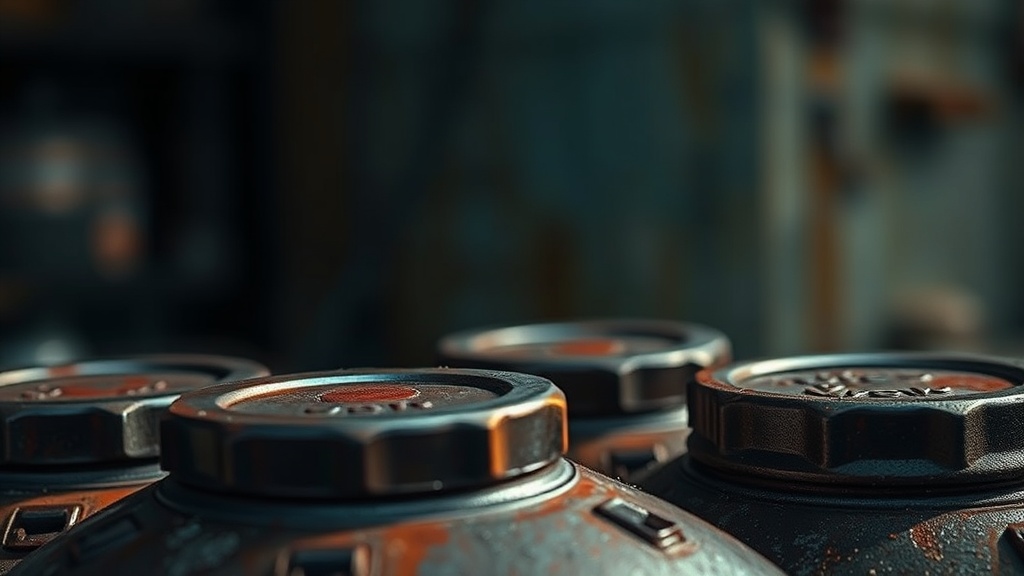
Protecting Your Metal Caps From Rust and Oxidation

Protecting Your Metal Caps From Rust and Oxidation
Most collectors assume that a metal cap is "set in stone" once it leaves the bottling line. They think that as long as they aren't leaving their collection in a puddle, the metal is safe. That's a mistake. Oxidation and rust can happen in a dry drawer just as easily as in a damp basement, and once the integrity of the metal is compromised, the value drops instantly.
This post breaks down how to identify early signs of corrosion and how to actually stop it before it ruins your most prized pieces. We'll look at humidity control, chemical reactions, and the right way to clean a stubborn spot without destroying the paint or the crimp.
How Do I Prevent Rust on Metal Bottle Caps?
The most effective way to prevent rust on metal bottle caps is to maintain a low-humidity environment and avoid direct contact with acidic substances. Moisture is the primary enemy of steel and tin-plated alloys used in most soda caps. Even if you don't see liquid water, airborne moisture can settle on the metal surface and trigger oxidation.
I've seen too many collectors keep their displays in basements or near heating vents. That's a recipe for disaster. The temperature fluctuations cause condensation, which is basically a death sentence for a vintage cap. If you want your collection to last decades, you need to control the air around it.
Here are the three main culprits for metal degradation:
- High Humidity: Moisture in the air reacts with the iron in the steel.
- Finger Oils: The natural oils and salts on your skin are surprisingly corrosive.
- Acidic Residue: If a cap wasn't cleaned properly after being opened, leftover soda residue will eat through the coating.
A simple trick I use? I wear nitrile gloves when handling my high-grade or highly sensitive pieces. It's not just about being fancy—it's about preventing those tiny salt deposits from your skin from sitting on the metal. (And yes, it's much better than the "just wash your hands" excuse.)
For those who want to get serious, look into oxidation processes to understand how oxygen and metal interact. It helps you realize that the air itself is a reactive force.
What Is the Best Way to Clean a Rusty Soda Cap?
The best way to clean a rusty soda cap depends entirely on the severity of the rust and the type of metal used. If the rust is just surface-level, a mild acid or a specialized metal polish can often lift it. However, if the rust has caused deep pitting, you might be looking at permanent damage.
I generally recommend a "less is more" approach. You don't want to scrub the life out of a vintage piece just to get a tiny bit of shine back. If you over-clean, you might strip the original paint or the branding, which—let's be honest—destroys the value. It's a delicate balance.
The Surface-Level Cleaning Method:
- The Vinegar Soak: For light rust, a brief soak in white vinegar can work. The acetic acid breaks down the iron oxide.
- The Baking Soda Paste: Mix baking soda with a tiny bit of water to create a paste. Apply it to the spot and rub gently with a soft cloth.
- The Microfiber Wipe: Always use a microfiber cloth rather than paper towels. Paper towels can actually leave tiny scratches on the finish.
- The Final Rinse: If you use any liquid, ensure it is completely dry. Use a hairdryer on a low, cool setting if you're worried about moisture lingering in the crimp.
Worth noting: Never use heavy-duty abrasives like steel wool on a collector-grade cap. You'll end up with a shiny, but completely ruined, piece of junk. If the cap is a high-value piece, leave it alone. A little patina is better than a scratched-up surface.
Comparison of Cleaning Agents
| Method/Product | Best For | Risk Level | Pros/Cons |
|---|---|---|---|
| White Vinegar | Light surface rust | Medium | Cheap and effective, but can be too aggressive if left too long. |
| Baking Soda | Small spots | Low | Very safe, but requires physical scrubbing. |
| WD-40 | Mechanical parts | High | Great for loosening things, but leaves a greasy residue that attracts dust. |
| Isopropyl Alcohol | Removing oils | Very Low | Perfect for cleaning fingerprints or soda residue. |
Can I Use Protective Coatings on My Collection?
Yes, you can use protective coatings, but you must choose a product that is non-reactive and won't yellow over time. Most collectors use a thin layer of microcrystalline wax to create a barrier between the metal and the air. This is a much better option than using permanent sprays or heavy oils.
I've experimented with several things over the years. Some people suggest clear acrylic sprays, but I stay away from those. They can crack or peel, and once that happens, the moisture gets trapped underneath, accelerating the rust. It's a trap. You want something reversible. If you apply a coating, you should be able to remove it later without damaging the cap.
A great example of a professional-grade solution is Renaissance Wax. It's a microcrystalline wax used by museums to protect metal artifacts. It's thin, it doesn't smell, and it provides a truly stable barrier. It’s a staple in my kit for my more expensive metal-heavy pieces.
If you're looking for a more budget-friendly approach, just focus on the environment. A dehumidifier in your storage room is worth its weight in gold. If the humidity stays below 45-50%, you'll find you rarely need to worry about coatings at all.
One thing to watch out for is the "crinkle" or the crimp area. This is where most moisture gets trapped. If you're using a wax or a spray, make sure it isn't pooling in the edges. You want a thin, even layer, not a thick coat that will eventually turn gummy.
The catch? Even with the best protection, nothing is 100% permanent. A collection is a living thing. It changes. It reacts to its environment. The goal isn't to freeze it in time, but to slow down the clock as much as humanly possible.
When you're looking at your collection, don't just look at the colors. Look at the texture. If you see a dullness or a slight change in the metal's sheen, that's your cue to act. Don't wait until the rust is deep. By then, the damage is usually done.
Keep your storage areas dry, keep your hands clean, and keep an eye on those edges. That's how you keep a collection looking sharp.
Steps
- 1
Assess the Surface Condition
- 2
Gentle Cleaning with Microfiber
- 3
Applying a Protective Coating
- 4
Storing in a Controlled Environment