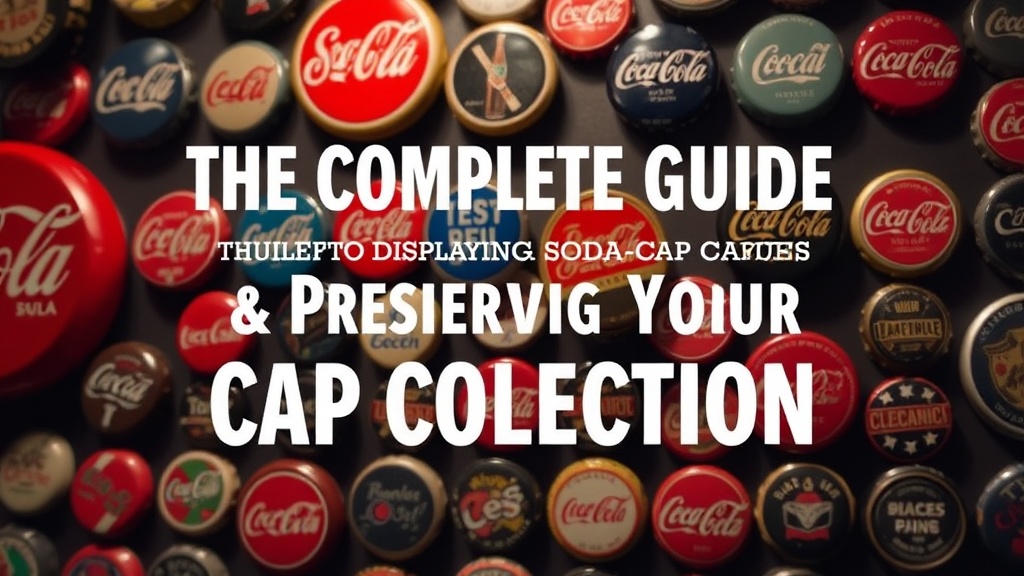
The Complete Guide to Displaying & Preserving Your Soda Cap Collection

What's the Best Way to Display Bottle Caps Without Damaging Them?
The safest methods involve keeping caps away from direct sunlight, moisture, and excessive handling while using archival-quality materials designed specifically for collectibles. Whether you've got twenty caps or two thousand, proper display techniques protect both the metal and any paper liners inside.
Caps might look tough, but they're surprisingly delicate. The metal can corrode. The paint fades. That 1970s Dr. Pepper liner you've been hunting for? It'll crumble if you don't handle it right. The good news: display options range from dollar-store simple to custom-crafted gorgeous, and most won't break the bank.
Shadow Boxes and Deep Frames
Shadow boxes give caps room to breathe. Unlike flat frames, these have depth—usually one to three inches—which means caps sit comfortably without getting squashed. Michaels' shadow box collection offers solid starting points, with sizes running from 8x8 inches up to 20x24 inches. Look for ones with UV-protective acrylic rather than glass. Acrylic won't shatter if the frame takes a tumble.
Arrange caps by color, brand, or year. Some collectors create patterns—American flags, company logos, even portraits. The key? Don't glue the caps directly. Use acid-free mounting corners or small magnets placed behind the caps. That way, you can rearrange or remove pieces without damage.
Display Cases with Individual Slots
For serious collectors, cases with dedicated slots keep everything organized and visible. BottleCaps.xyz sells wooden display cases designed specifically for crown caps, with each slot sized perfectly to hold a cap securely without pressure on the edges. These cases typically hold 100, 200, or 500 caps and come with wall-mounting hardware.
Here's the thing about wood cases: make sure they're sealed properly. Unsealed wood can off-gas acids over time, slowly eating at the metal. If you're buying handmade cases from craft sellers on Etsy, ask about sealants. Look for mentions of "archival-safe" or "acid-free finishes."
How Do You Prevent Bottle Caps from Rusting?
Controlling humidity is your first line of defense, followed by protective coatings and proper storage materials that limit exposure to air and moisture. Rust forms when metal encounters oxygen and water vapor, so limiting either factor slows corrosion dramatically.
Halifax's coastal air taught this lesson fast. Collections stored in basements or garages near the ocean? They suffer. Even indoor air holds more moisture than most people realize. The ideal relative humidity for metal collectibles sits between 35% and 45%. Higher than 50%, and you're asking for trouble.
Silica Gel and Dehumidifiers
Toss silica gel packets into every display case, storage box, and drawer. They're cheap, reusable (just bake them to recharge), and effective. For larger collections, electric dehumidifiers work wonders. The hOmeLabs 1,500 Sq. Ft. Energy Star Dehumidifier handles entire rooms and costs pennies per day to run.
That said, don't over-dry your collection. Extremely dry air—below 30% humidity—can make paper liners brittle and prone to cracking. Balance matters.
Protective Coatings: Yes or No?
This divides collectors. Some swear by clear acrylic sprays like Krylon Crystal Clear or Mod Podge Clear Acrylic Sealer. These create a barrier between metal and air. Others argue any coating changes the cap's original state, reducing value for serious collectors.
The catch? Once you coat a cap, you can't un-coat it. For common caps worth pennies, coating makes sense. For rare finds—early Coca-Cola cork-lined caps, wartime steel caps from the 1940s, limited brewery releases—leave them bare and control the environment instead.
What Storage Materials Are Safe for Long-Term Bottle Cap Preservation?
Archival-quality plastics (Mylar, polyethylene, polypropylene), acid-free paper, and inert metals like stainless steel provide safe long-term storage without chemical reactions that damage caps. Avoid PVC, rubber bands, and standard cardboard.
Most collectors start with whatever's handy. Ziploc bags. Old shoeboxes. Plastic containers from the dollar store. These work short-term. For collections you want to keep for decades—or pass down—upgrade to materials archivists trust.
Cap Albums and Pages
Trading card pages work in a pinch, but dedicated cap albums fit better. Companies like CapAlbum.com produce polyethylene pages with pockets sized specifically for crown caps. The pockets hold caps snugly without gripping too tight, and the clear fronts let you view both sides.
When shopping for albums, check the plastic type. Polyethylene (PE) and polypropylene (PP) are safe. Polyvinyl chloride (PVC) is not—it's that shiny, flexible plastic that smells like a beach ball. PVC releases hydrochloric acid over time, etching metal and destroying paper liners.
Storage Containers Compared
| Container Type | Best For | Cost Range | Lifespan |
|---|---|---|---|
| Archival shoe boxes (acid-free) | Bulk storage, organizing by theme | $3-8 each | 20+ years |
| Mylar cap sleeves | Individual valuable caps | $0.10-0.50 per sleeve | 50+ years |
| Glass mason jars | Common duplicates, bulk lots | $1-3 per jar | Indefinite (if sealed) |
| Plastic parts cabinets | Active sorting, frequent handling | $15-40 | 10-15 years |
| Wooden display cases | Showcase pieces, wall mounting | $40-150 | Indefinite (with proper sealing) |
Worth noting: mason jars work surprisingly well for storage, but they don't organize. You'll be digging through fifty Mountain Dew caps to find that one Sprite from 1988. Use them for overflow, not your main collection.
Should You Clean Old Bottle Caps?
Generally, don't clean caps—especially if they have paper liners, original paint, or any patina that indicates age. Cleaning removes value. Dirt and grime can often stay. Rust is the exception, and even then, minimal intervention works best.
Collectors learn this lesson the hard way. That "dirty" 1960s Pepsi cap? The grime actually protects the underlying metal. Scrub it off with soap and water, and you've stripped away decades of natural sealing. Plus, water gets under the edge, causing the very rust you were trying to prevent.
When Cleaning Makes Sense
Modern caps collected from recent consumption—your standard 2024 Coke or Dr. Pepper—can handle gentle cleaning if sticky or stained. Use warm water, mild dish soap like Dawn, and a soft cloth. Dry immediately with a lint-free towel. Never submerge vintage caps. Never use vinegar, baking soda, or metal polishes like Brasso on painted surfaces.
For caps with serious rust affecting structural integrity, consult a professional conservator. The American Institute for Conservation offers directories of specialists who handle metal objects. It's overkill for a common Budweiser cap from last summer. For a 1930s cone-top beer cap? Absolutely worth the consultation.
How Do You Handle and Transport Caps Safely?
Handle caps by the edges only, using clean hands or cotton gloves, and transport them in rigid containers with padding that prevents movement and rubbing. Finger oils transfer to metal and paper alike, leaving stains that don't wash out.
This sounds obsessive. It's not. The oils on human skin contain acids that slowly eat away at metal finishes. Paper liners absorb these oils and turn translucent or develop permanent fingerprints. White cotton inspection gloves cost about $2 a pair and last through hundreds of handling sessions.
Transport Tips for Shows and Trades
Bringing caps to a swap meet or collector show? Don't use baggies—they slide around and scratch. Instead, use rigid plastic cases designed for coin collecting. The Whitman coin storage boxes work beautifully for caps, with adjustable compartments that hold pieces upright and separate.
Pack for vibration. Cars bounce. Caps clink. That clinking causes micro-abrasions on painted surfaces. Slip a sheet of acid-free tissue paper between layers, or use foam padding. If you're flying to a convention, carry the collection onboard. Checked baggage gets thrown. Temperature swings in cargo holds damage paper liners.
Documentation Matters
Photograph everything. Front, back, edge views. Record where and when you acquired each cap. Apps like Collectr and Numista (adapted for bottle caps) help track collections digitally. If disaster strikes—fire, flood, theft—you'll have records for insurance and recovery.
Standard homeowners insurance often caps collectibles at $1,000 or excludes them entirely. Specialty collectibles insurance through companies like Collectibles Insurance Services covers bottle caps specifically, with agreed-value policies that don't require appraisals for items under certain thresholds.
What's the Ideal Temperature for Storing Bottle Caps?
Room temperature—65°F to 72°F (18°C to 22°C)—provides the safest storage environment, with minimal fluctuations that cause metal expansion and contraction. Attics get too hot. Basements get too damp. Climate-controlled living spaces win every time.
Extreme cold makes metal brittle. Extreme heat softens adhesives and paint. Temperature swings cause condensation inside storage containers—tiny droplets you don't notice until the rust appears. Keep caps where you keep yourself: comfortable, dry, and stable.
Creating a display that lasts decades isn't about expensive equipment. It's about understanding what hurts caps—moisture, light, acids, and handling—and choosing simple, effective barriers against each threat. Start with one good display case. Upgrade storage materials as the collection grows. Check on things seasonally. Small habits compound into preservation that outlasts the original soda inside those caps.