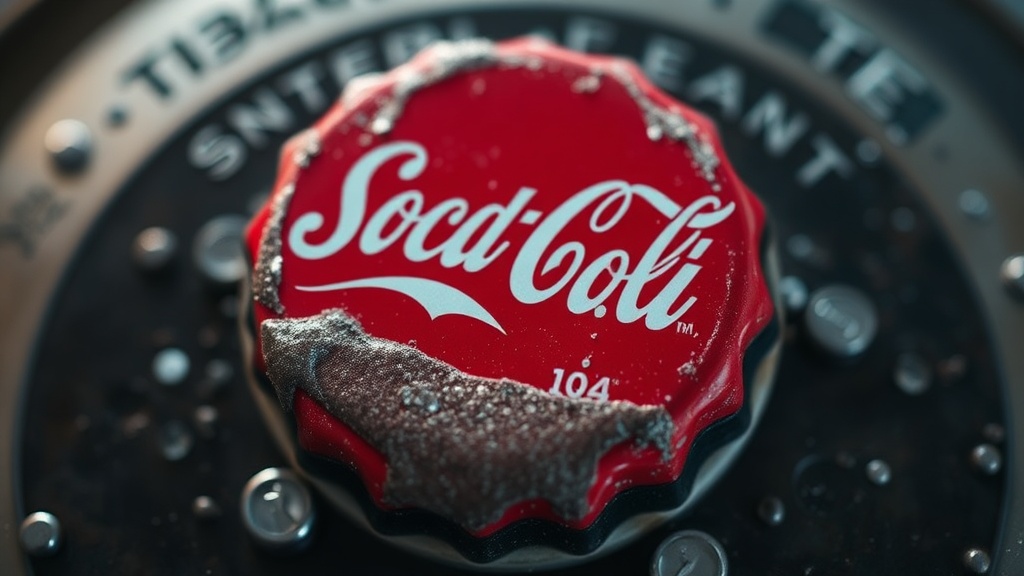
Why Do Some Soda Caps Lose Their Shine So Fast?

Why is my metal soda cap oxidizing?
Have you ever pulled a beautiful, vibrant cap from a storage bin only to find the edges looking dull, brown, or even slightly rusted? It's a frustrating moment for any collector. This isn't just a matter of aesthetics; it's a chemical reaction that can change the entire look of your collection. Understanding why metal reacts to its environment is the first step toward preserving the vivid colors and glossy finishes that make these small pieces of history so special.
The primary culprit is oxidation. When metal—specifically the steel used in most soda caps—is exposed to moisture and oxygen, a chemical reaction occurs. This is often accelerated by environmental factors like humidity or even the oils from your skin. If you've been handling your pieces without gloves, those tiny amounts of sweat can leave permanent marks. It's not just about the metal itself; the protective coating or lacquer on the cap can also degrade, leaving the underlying material vulnerable to the air around it.
Can humidity damage my collection?
Humidity is perhaps the most silent enemy in a collector's display. While we often worry about direct sunlight or physical scratches, the moisture in the air does much more heavy lifting when it comes to long-term damage. High humidity levels can lead to a phenomenon known as "rusting," where the iron in the steel reacts with water molecules. This is especially true if you live in a coastal area—like here in Halifax—where the salt air can add an extra layer of corrosive energy to the mix.
To keep your pieces in top shape, you need to control the environment. If you keep your collection in a glass display case, that case isn't just a shield against dust; it's a barrier against the air. Using silica gel packets—those little packets you find in new shoe boxes—can help absorb excess moisture inside a sealed container. This is a simple, low-cost way to ensure your metal components stay bright. For more technical details on how metals react to different environments, the Britannica entry on oxidation provides a deep dive into the chemical processes at play.
Does the type of metal matter?
Not all caps are created equal. While most vintage soda caps are made of tin-plated steel, there are variations in the thickness of the plating and the quality of the lacquer. A higher-quality lacquer provides a better seal, keeping the oxygen away from the metal surface. However, even the best seal can fail if the cap is subjected to extreme temperature swings. Rapid changes in temperature cause the metal to expand and contract, which can lead to microscopic cracks in the paint or lacquer.
When you are evaluating a new find, look closely at the edges. The crimped edge of a soda cap is often the most vulnerable spot because the plating is thinnest there. If you notice browning or a rough texture around the rim, that's a sign that the protective layer has already been compromised. It's worth noting that even "high-end" modern reproductions can suffer from this if the manufacturing process didn't apply a consistent coating.
Consider the following table to help you identify different types of surface aging you might encounter:
| Appearance | Likely Cause | Severity |
|---|---|---|
| Dullness/Loss of Shine | Light oxidation or dust | Low |
| Brown/Orange Spots | Rusting (Iron oxidation) | Medium |
| Peeling Paint/Lacquer | Temperature fluctuations | High |
| Greenish Patina | Copper exposure (rare in standard caps) | Variable |
If you're looking to understand the history of how these materials were used, the Library of Congress archives often contain wonderful historical context regarding industrial manufacturing and the materials used in the early 20th century. Understanding the material history helps you realize that what we call "damage" is often just the natural life cycle of the metal.
One thing to remember is that once oxidation has actually eaten into the metal, it's very difficult to reverse. You can clean a surface-level dullness with a very soft, dry cloth, but avoid using liquid cleaners or abrasive chemicals. Abrasives will strip the remaining lacquer and make the problem much worse. It's much better to spend a few extra dollars on a high-quality, airtight display case than to try and "fix" a rusted cap later.
Keep an eye on your storage areas. If you're storing your collection in a basement or an attic, you're significantly increasing the risk of moisture-related damage. A climate-controlled room—or at least a stable, dry closet—is your best friend. Even a small desk drawer can be a safe haven if it's kept in a room with stable humidity. Your collection's longevity depends entirely on how well you manage these invisible variables.