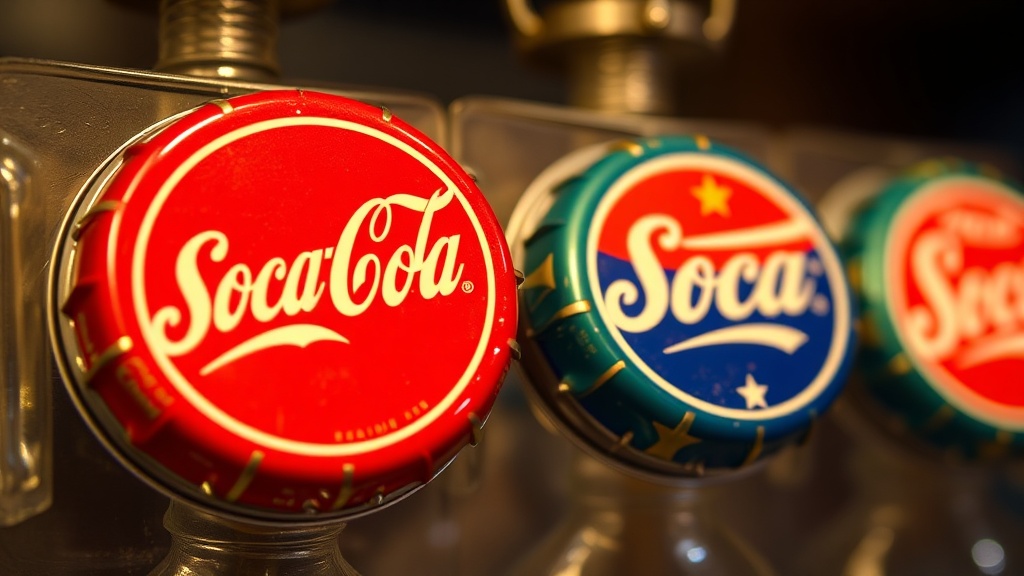
Why Are Some Soda Caps Worth Hundreds While Others Are Worth Pennies?

You pull out an old shoebox from your attic—inside, hundreds of soda caps you've collected over decades or inherited from a relative. Some look pristine and vibrant, others show their age with rust and dents. Before you toss them back into storage or list them online for a few dollars, you should know that certain caps can fetch serious money from dedicated collectors. This post breaks down exactly what separates a five-cent curiosity from a five-hundred-dollar prize. You'll learn about rarity markers, condition grading standards, brand significance, regional variations, authentication pitfalls, and those tiny details that drive final prices at auction.
What Makes a Soda Cap Genuinely Rare?
Rarity isn't just about age—it's about scarcity at the moment of production. A cap from a limited promotional run in 1995 can outvalue a common cap from 1895, depending entirely on how many survived the decades. Production numbers tell the real story, though most bottlers kept those figures private and few archives survive. When a regional soda company released a special edition for a county fair, or when a test market cap never saw wide distribution, those pieces become needle-in-haystack finds for dedicated hunters. Regional brands often produced smaller batches than national giants like Coca-Cola or Pepsi, making their caps exponentially harder to find decades later. Collectors hunt for these scarcity markers because they signal genuine rarity rather than manufactured collectibility.
You'll want to research the specific brand's distribution footprint. Did they run short production cycles? Were certain colors only used for specific seasons or holidays? Some bottlers changed cap designs monthly to track different production runs, while others used the same pattern for decades without variation. The answers separate common finds from serious prizes. Cross-reference your caps with collector databases—many enthusiasts have spent years documenting which varieties exist and which remain theoretical. A cap that doesn't appear in any reference guide might be a previously unknown variety (exciting!), or it might be a modern reproduction (disappointing). Either way, it's worth investigating before assigning value.
How Does Condition Affect Market Value?
Condition is king in the collectibles world—soda caps are no exception. A mint-condition cap with sharp edges and vibrant, unfaded colors can command ten to twenty times what a worn equivalent fetches at market. Collectors use a loose but understood grading scale: Mint (perfect, as-manufactured), Near Mint (minor flaws visible only under magnification), Excellent (light wear consistent with brief handling), Good (visible aging and minor damage), and Poor (significant damage affecting appearance). The difference between "Excellent" and "Mint" might seem subtle to newcomers—perhaps a tiny scratch on the underside or slight dulling of the metallic finish—but that distinction can easily mean a $50 price swing on desirable pieces.
Storage matters tremendously to preservation. Caps kept away from moisture, temperature fluctuations, and light retain their original factory finish. Those tossed in a drawer with coins, keys, or other metal objects often show scratching, denting, and edge wear that destroys both eye appeal and value. When evaluating your finds, check systematically for rust (especially around the crimped edge where the metal is stressed), fading from UV exposure (sunlight destroys red pigments particularly quickly), and dents that affect the cap's profile or stacking ability. Even small dings visible only from certain angles can drop a cap one or two full grade levels in the eyes of serious buyers.
Why Do Certain Brands Command Premium Prices?
Brand recognition drives demand—and demand directly drives price. Coca-Cola and Pepsi caps always find ready buyers because these companies have century-long histories and massive, active collector bases worldwide. But it's not just the giants that bring big prices. Defunct regional brands like Nesbitt's, Frostie, or local bottlers carry intense nostalgia that translates directly to dollars on the secondary market. The key is historical significance combined with limited supply. A cap from a brand that only operated for five years in a single state creates urgency among completists who need that specific piece to finish their regional sets.
Sports partnerships and entertainment tie-ins add substantial value too. Caps commemorating championship seasons, featuring athlete endorsements, or promoting movie releases tap into multiple collector markets simultaneously. Crossover appeal matters—a cap that attracts both soda collectors and sports memorabilia buyers will sell faster and for more money than one that appeals only to cap specialists. Don't overlook foreign brands either. International soda caps bring cross-cultural appeal and often feature unique design aesthetics, languages, and color schemes that American collectors crave for variety in their displays. A Japanese Fanta cap or Mexican Coke cap can outsell domestic equivalents simply because they're harder to source locally.
What Role Does Age Actually Play in Valuation?
Age matters, but it's not the automatic value booster that many newcomers assume. A common 1940s cap from a major national bottler might sell for $5, while a scarce 1980s limited edition from a regional creamery fetches $200. The disconnect surprises people entering the hobby. Early caps—especially those from the 1920s through 1950s—often used simpler designs and less durable materials. Their survival rate is naturally low, which supports higher prices. However, the 1960s and 70s introduced vibrant lithographed colors and aggressive promotional tie-ins that modern collectors specifically seek out for visual impact.
The "vintage" threshold varies by collecting niche, but most serious cap collectors consider anything pre-1980 fair game for the category. That said, modern promotional caps—like those from craft soda launches, special movie partnerships, or commemorative events—sometimes spike in value immediately if production was truly limited and the product had short market availability. Don't dismiss yesterday's finds just because they're recent. A cap from a soda brand that went bankrupt last year might be harder to find than one from a 1960s brand that produced millions of units before closing. Availability trumps age almost every time.
Are Manufacturing Errors and Variations Worth More?
Error caps represent one of the most exciting (and frequently misunderstood) corners of the collecting hobby. A genuine factory misprint—colors applied wrong, missing text elements, dramatically off-center graphics, or double-strikes—can double or triple a cap's baseline value. But buyers must beware: reproductions exist, and unscrupulous sellers sometimes artificially distress or alter common caps to simulate rare errors. Authentic errors come from production line mishaps and quality control failures, not post-factory tampering in someone's garage.
Look for consistent wear patterns that match the error. If a cap has a missing color application but pristine, unhandled edges, be immediately skeptical. Double-strikes (where the stamping machine hit the metal twice in slightly different positions) create ghosted or shadowed images that knowledgeable collectors prize. Off-center crimps, malformed metal edges, and caps struck on wrong base materials also attract serious attention. These pieces tell authentic stories about manufacturing processes, mechanical failures, and quality control standards—or lack thereof—during specific production eras. Documentation of known error types helps distinguish genuine rarities from fakes.
Does Provenance and Documentation Increase Value?
Provenance transforms a curiosity into a documented collectible with verifiable history. A cap with paperwork showing it came from a specific bottling plant's opening day, or one tied to a documented promotional event or advertising campaign, carries measurable premiums over unattributed examples. Photographs help establish context too—if you have images of the original bottles, delivery trucks, or point-of-sale displays that match your specific cap design, you've got supporting evidence that increases buyer confidence and justifies higher asking prices.
Third-party graded caps (those sealed in tamper-evident containers with authentication labels) often sell for substantial premiums because buyers trust the professional assessment. Reputable grading services examine caps under magnification, checking for signs of tampering, verifying authenticity against known reproductions, and assigning consistent condition grades. While grading fees and shipping costs aren't justified for every piece in your collection, they make financial sense for high-value items, questionable pieces, or errors that need expert verification. The sealed holder also protects the cap from future environmental damage and handling wear, preserving the condition you've paid to certify.
How Do Regional Markets Affect Pricing?
Values fluctuate dramatically based on geography and local collecting culture. A cap worth little in Halifax might draw intense competitive bidding in California if it relates to a West Coast brand that operated only in the Pacific states. Regional pride creates micro-markets where certain caps command multiples of their national average. East Coast collectors pay premiums for New England creamery brands, while Texas buyers chase Dr Pepper variants from specific Dallas bottling plants. Understanding these regional preferences helps you sell to the right audience for maximum return.
To get real market data rather than aspirational asking prices, check completed sales on eBay's sold listings rather than current active listings. A seller might list a common cap for $100 hoping for a naive buyer, but if no comparable caps have sold above $20 in the past ninety days, that's your true value ceiling. The Smithsonian's archives contain excellent historical context on American advertising materials, including soda memorabilia from major brands. Active collector forums offer additional insights—longtime enthusiasts track trend cycles and can spot speculative bubbles before they burst.
What Are the Most Common Authentication Pitfalls?
New collectors often fall into predictable traps when assessing value. The most common mistake is assuming age equals value without considering condition. A rusty, bent cap from the 1930s is worth less than a pristine 1990s limited edition in almost every case. Another trap is "cleaning" caps with harsh chemicals or abrasive materials. Never polish vintage caps—the patina and original finish are part of the value. Aggressive cleaning leaves microscopic scratches that experts spot immediately and serious buyers reject.
Reproduction caps flood the market, particularly for popular brands like Coca-Cola. Modern reproductions often use slightly different metal compositions or printing techniques. Compare suspected vintage pieces against known authentic examples, paying attention to font consistency, color saturation, and edge crimping patterns. When a deal seems too good to be true—a "rare" variation at a fraction of market price—trust your skepticism. Building relationships with established collectors provides mentorship that protects you from expensive mistakes and helps you develop an eye for quality.
Before you list anything for sale, spend quality time handling and examining your collection systematically. Invest in a jeweler's loupe or strong LED magnifying glass. Study the crimping patterns, the paint application quality, and the metal composition variations. Compare similar pieces side by side under good lighting. The subtle differences become obvious once you train your eye—and those differences translate directly to dollars when you negotiate sales or trades with knowledgeable collectors.
Collecting soda caps connects us to advertising history, regional business entrepreneurship stories, and the evolution of American manufacturing. Each cap represents a specific moment when a bottler decided to create something memorable to catch a customer's eye—and now you get to decide which of those moments deserve a premium spot in your curated collection. The hunt continues, one cap at a time.