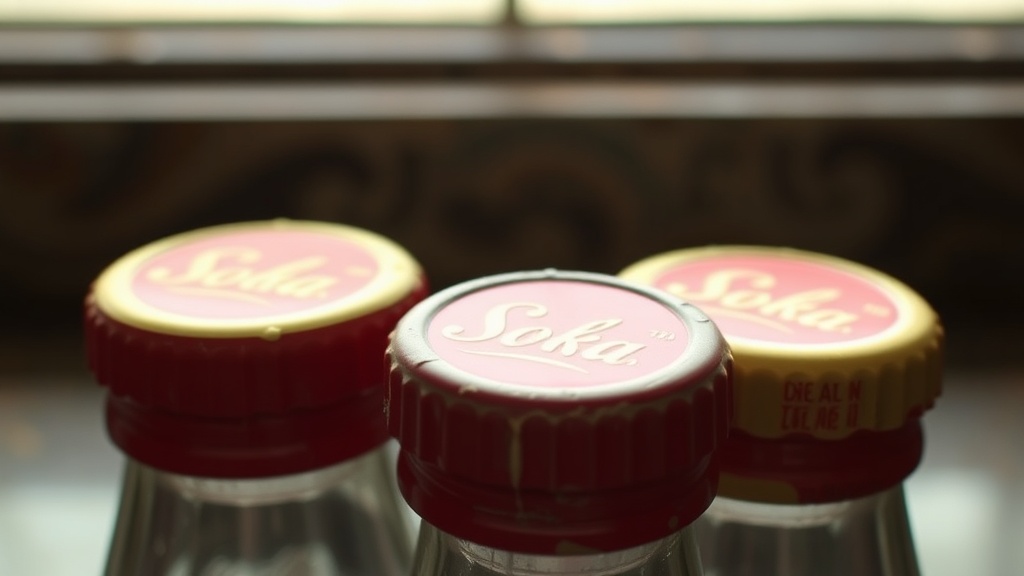
What's the Safest Way to Clean Vintage Soda Bottle Caps Without Ruining Them?

You will learn the proper techniques for cleaning and restoring vintage soda bottle caps without compromising their value or damaging delicate finishes. Many collectors inherit dusty boxes of caps or find treasures at estate sales that need attention—but one wrong move with water, chemicals, or abrasive materials can destroy decades of patina and slash resale value. This guide covers the safest methods for different cap types, materials to avoid, and when to leave well enough alone.
Which Cleaning Method Works Best for Different Cap Types?
Not all soda caps are created equal—and neither are their cleaning needs. Cork-lined caps from the 1950s and earlier require entirely different handling than modern plastic-lined versions. Understanding what you're working with is the first step toward preserving (not destroying) your finds.
Cork-Lined Vintage Caps (Pre-1960s)
These are the most fragile. The cork liner can crumble, mold, or detach if exposed to moisture. For dusty cork-lined caps, skip liquid entirely. Use a soft, dry makeup brush or camera lens brush to gently sweep away surface dirt. Work in one direction—don't scrub back and forth. For stubborn grime around the metal edges, lightly dampen a cotton swab with distilled water, then immediately dry the area with a clean microfiber cloth. Never submerge these caps.
Plastic and Composite Liners (1960s–Present)
These are more forgiving. You can rinse them briefly in lukewarm distilled water with a drop of mild dish soap. Pat dry immediately—don't let air-drying create water spots. Avoid hot water, which can warp plastic liners or loosen adhesive. For painted or printed designs, test an inconspicuous area first; some cheaper prints will lift with even gentle moisture.
Aluminum Twist-Off Caps
Modern aluminum caps can handle slightly more aggressive cleaning. A soft toothbrush with mild soap works for most surface dirt. For oxidation or tarnish, a paste of baking soda and water applied gently with a cloth can help—just don't use this on caps with painted artwork. The abrasive nature of baking soda will dull or remove printing.
What Common Cleaning Mistakes Destroy Cap Values?
The collectibles market is unforgiving. A rare cap in mint condition might fetch $50–$200. That same cap with cleaned-off patina, scratches from scrubbing, or water damage to the liner? You might get $5—if anyone wants it at all. Here are the mistakes that separate experienced collectors from beginners.
Using vinegar or acidic cleaners. That green patina on old metal caps? It's actually protecting the underlying material. Strip it away with vinegar, lemon juice, or commercial metal cleaners and you've damaged the cap permanently. The metal will look artificially shiny—and experienced buyers will spot the difference immediately.
Scrubbing with abrasive materials. Steel wool, scouring pads, and even rough paper towels will leave micro-scratches on metal surfaces. Under magnification, these scratches are glaringly obvious. Always use microfiber cloths, soft brushes, or cotton balls.
Ultrasonic cleaners. These seem like a magic solution for small items, but they're too aggressive for most bottle caps. The vibrations can loosen liners, damage paint, and cause metal fatigue in older caps. Leave the ultrasonic bath for your jewelry—not your collectibles.
Excessive handling. Every time you touch a cap with bare hands, you transfer oils and acids from your skin. Over time, this causes tarnish and corrosion. Handle caps by the edges only, and consider wearing cotton gloves for valuable pieces. The Smithsonian's conservation guidelines for metal objects emphasize minimal handling as a core principle.
How Do You Restore Faded Colors on Old Caps?
Short answer: you don't. Faded paint, sun-bleached logos, and worn finishes are part of a cap's history. Attempting to repaint, touch up, or recolor a vintage cap is almost universally considered damage in the collecting community. A faded original cap is worth more than a "restored" one with fresh paint.
That said, there are ways to improve appearance without altering the cap itself. Proper lighting in your display case can make colors appear more vibrant. UV-protective glass or acrylic shields prevent further fading. Some collectors use museum wax to add a subtle sheen to metal surfaces—but this is controversial, and you should research whether your specific collecting community accepts this practice.
The one exception is rust removal—and even this requires caution. Surface rust on the skirt (the ridged edge) of a steel cap can be gently addressed with a product like Renaissance Wax or a specialized rust converter made for antiques. Never use naval jelly or aggressive rust removers. They'll etch the metal and leave obvious damage. The National Park Service's conservation brief on metal artifacts provides excellent guidance on appropriate rust treatment methods.
When Should You Leave a Dirty Cap Alone?
Sometimes the smartest cleaning decision is no cleaning at all. If a cap has original grime from a specific location, era, or event, that dirt tells a story. A cap pulled from a 1960s landfill dig with soil still in the crevices has provenance. Clean it to sterile perfection and you've stripped away its history.
Leave caps untouched if:
- The dirt appears to be original factory grease or machine oil—common on unused caps from old bottling plants
- The cap came from a specific documented location (dug from a privy, found at a historic site, etc.)
- You're unsure of the liner material and risk water damage
- The cap is extremely rare or valuable—consult a professional conservator instead
- The "dirt" is actually desirable patina that proves age and authenticity
Photograph dirty caps before making any decisions. Document their condition. If you do clean them, record your methods. Future buyers (or you, years later) will want this information.
What's the Best Way to Store Caps After Cleaning?
Cleaning is only half the battle. Improper storage will undo your careful work within months. After cleaning and thoroughly drying your caps, give them proper homes.
Coin flips or cardboard holders with Mylar windows work well for individual valuable caps. They keep dust out while allowing visibility. For bulk storage, acid-free cardboard boxes divided into compartments prevent caps from touching and scratching each other. Avoid PVC plastic—over time, it off-gasses chemicals that damage metal.
Control humidity in your storage area. Metal caps are susceptible to corrosion in damp environments. Aim for 40–50% relative humidity. Silica gel packets help, but they need regular replacement or recharging. Consider a small dehumidifier for dedicated collecting spaces.
Position matters too. Store caps flat—never stacked—so weight isn't pressing down on lower pieces. Keep them out of direct sunlight, which fades colors and degrades liners over time. A cool, dark, dry closet beats a display case in a sunny room for long-term preservation. For more detailed storage guidance, refer to the Indianapolis Museum of Art's care guidelines for collections.
Remember: every time you clean a cap, you introduce risk. The goal isn't sterile perfection—it's preserving these small pieces of history for the next generation of collectors. Handle with care, clean with caution, and when in doubt, leave it out.