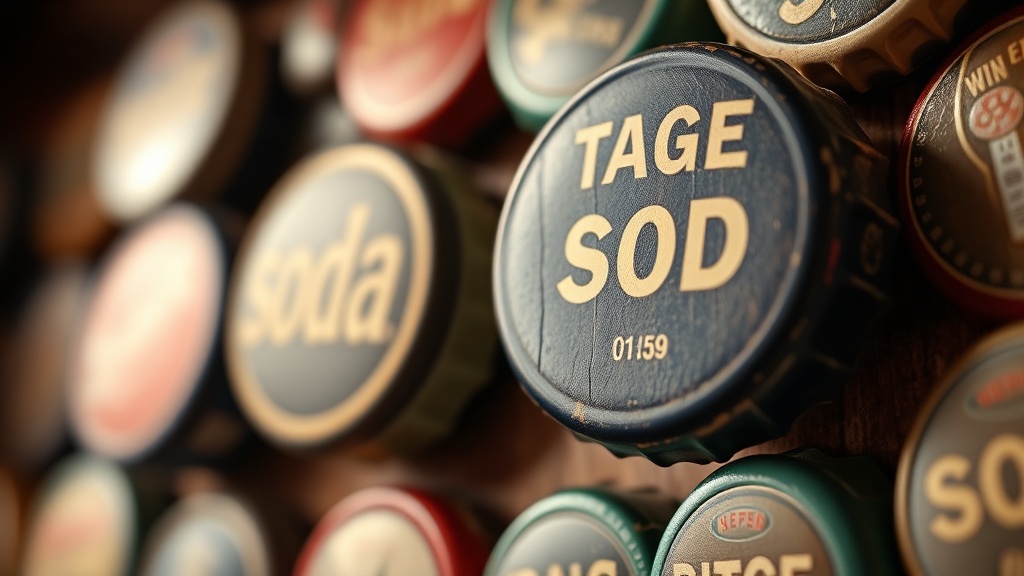
Vintage Soda Bottle Caps: A Complete Collector's Guide to Finding Rare Gems

What Makes a Soda Bottle Cap "Vintage" and Worth Collecting?
A soda bottle cap earns "vintage" status once it hits roughly 30 years old—think pre-1990s for most collections. The real value lies in rarity, condition, and the story behind each piece. This guide covers where to hunt for these small metal treasures, how to spot fakes, and what separates a $0.25 find from a $250 collector's item. Whether starting a collection or leveling up an existing one, you'll walk away with practical tactics for scoring genuine vintage caps without overspending.
Where Can You Find Rare Vintage Soda Bottle Caps?
Old bottle caps hide in more places than you'd expect. Estate sales rank among the best hunting grounds—especially in regions with historic bottling operations like New England, the Great Lakes, and the Southeast. The trick? Arrive early on the first day, but return on the final afternoon when prices drop and sellers want inventory gone.
Flea markets deliver mixed results. You'll dig through mountains of worthless modern caps to find one gem. That said, persistence pays. Some collectors report their best finds came from tables where vendors had no idea what sat in their $5 "miscellaneous" boxes.
Online marketplaces like eBay offer convenience but demand caution. Search terms matter: "vintage soda cap lot," "old bottle caps," and specific brand names (Coca-Cola, Pepsi, Nehi, Moxie) yield better results than generic queries. Always check seller ratings and request additional photos before bidding on high-value items.
Don't overlook local connections. Antique shops, old general stores going out of business, and even family attics can surprise you. One collector in Halifax discovered a complete 1960s Pepsi cap collection in a deceased uncle's workshop—organized in a repurposed cigar box with handwritten dates on each divider.
What Are the Most Valuable Vintage Soda Bottle Cap Brands?
Coca-Cola and Pepsi dominate the high-value market, but regional brands often command surprising premiums. Here's the thing: scarcity beats fame. A 1950s Coca-Cola cork-lined crown cap in mint condition might fetch $15–$50. A rare Dr. Swett's Root Beer cap from the same era? Easily $200+ because far fewer survived.
| Brand | Era | Typical Value Range | Rarity Factor |
|---|---|---|---|
| Coca-Cola (cork-lined) | 1950s–1960s | $15 – $75 | Common to uncommon |
| Pepsi (swirl design) | 1960s–1970s | $5 – $40 | Common |
| Nehi (fruit flavors) | 1940s–1960s | $25 – $150 | Uncommon |
| Moxie | Pre-1960 | $30 – $200 | Regional scarcity |
| Dr. Swett's | 1940s–1950s | $100 – $400 | Rare |
| Sprite (early logo) | 1960s | $20 – $80 | Moderate |
Regional sodas—the ones that never went national—often hold the most intrigue. Buffalo Rock from Alabama, Cheerwine from North Carolina, and Moxie (originally from New England) developed cult followings that drive collector demand decades after local bottling ceased.
How Can You Spot Fake or Reproduction Bottle Caps?
Reproductions exist—and they're getting better. The catch? Most fakes reveal themselves under close inspection.
Start with the liner. Authentic vintage cork-lined caps (pre-1960s) show aged, compressed cork with a distinct texture. Modern reproductions use synthetic materials that look too uniform or feel rubbery. Plastic-lined caps emerged in the 1960s, so a "1940s" cap with pristine plastic? That's your first red flag.
Check the metal itself. Vintage caps carry natural patina—slight corrosion, color fading, and wear patterns that decades create. Reproductions often appear too clean, too shiny, or artificially "distressed" in ways that look forced rather than earned.
Print quality tells stories too. Original caps used period-appropriate printing techniques with slight imperfections. Modern digital reproductions look crisp—suspiciously so. Compare suspected fakes against documented authentic examples from reference books or established collector sites like Bottle Caps Collectors.
When in doubt, consult the community. Longtime collectors at clubs and forums have seen thousands of caps. Most will spot problems you'd miss. The small membership fee for organizations like the Bottle Cap Collectors Association pays for itself with one avoided fake purchase.
What Tools and Supplies Do Serious Collecters Actually Need?
You don't need much—contrary to what hobby shops might suggest. Start with these basics:
- Soft cotton gloves — Oils from fingers accelerate metal corrosion. Sounds fussy? Handle a 70-year-old cap without them, then watch rust spots bloom within months.
- Plastic cap holders — Avoid PVC (it off-gasses chemicals). Look for archival-quality polyester or Mylar sleeves designed for numismatic storage.
- A quality magnifying glass — 10x magnification reveals details invisible to naked eyes: micro-printing, hairline cracks, evidence of tampering.
- Reference catalogs — The Encyclopedia of Coca-Cola Trays and similar volumes provide authentication benchmarks. Digital photography helps too—build your own visual library.
Storage environment matters more than fancy containers. Keep caps cool, dry, and away from direct sunlight. Humidity kills metal memorabilia faster than almost anything else. A basic dehumidifier in your storage room costs less than replacing damaged rare caps.
How Do You Determine Fair Market Value for Vintage Caps?
Valuation isn't guesswork—it's detective work. The condition scale collectors use runs from "Poor" (heavy corrosion, bent, unreadable) to "Gem Mint" (perfect, as-manufactured). Most vintage caps fall somewhere between "Good" and "Very Fine."
Completed sales on eBay provide the most current pricing data. Ignore asking prices—watch what actually sells. Check multiple sales of similar items to establish a range rather than trusting one outlier transaction.
Professional grading services exist (PCGS, NGC), though most collectors consider them overkill for common bottle caps. Reserve professional grading for genuinely rare pieces worth $100+ where authentication certainty justifies the cost.
Regional shows and conventions offer education you can't get online. The National Bottle Show and regional soda memorabilia gatherings let you handle authenticated pieces, compare notes with serious collectors, and sometimes negotiate better prices than online markets allow—no shipping costs, no photo guesswork, instant verification.
Building a Collection with Purpose
Random accumulation gets chaotic fast. Successful collectors choose focus areas: a specific decade, a particular brand family, or caps from defunct regional bottlers. This approach creates cohesive displays and deeper expertise.
Documentation separates hobbyists from historians. Record where each cap came from, when acquired, and any provenance details. Future collectors—and possibly your heirs—will appreciate the context. (Plus, organized records help with insurance if the collection grows valuable.)
Network actively. Facebook groups, Reddit's r/bottlecaps community, and local collector clubs provide leads, authentication help, and trading opportunities. The soda cap collecting world remains surprisingly social—many longtime collectors started as kids in the 1950s and 60s, and they love sharing knowledge with newcomers who show genuine interest.
Finally, trust instincts but verify facts. If a deal seems too good—like a "rare" Dr. Swett's cap for $10—it probably is. Patience rewards the careful collector. The right cap at a fair price beats a closet full of questionable bargains every time.