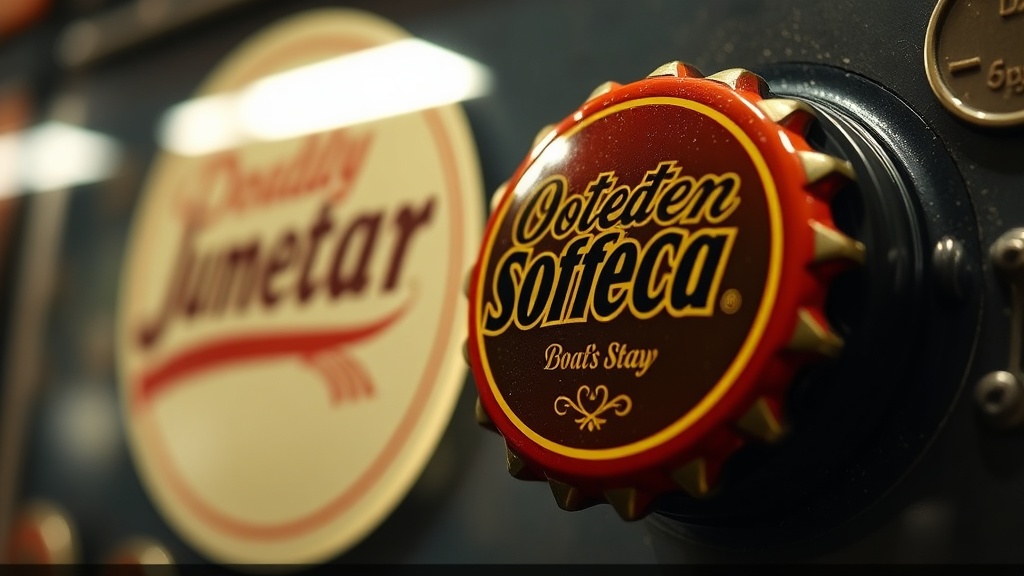
The Golden Age of Soda Bottle Caps: A Collector's Journey Through History

This post traces the golden age of soda bottle caps—from the 1930s through the 1960s—when mass-produced lithographed steel caps transformed collecting from a casual hobby into a legitimate pursuit. You'll discover what made caps from this era so desirable, which brands command serious premiums today, and how to spot authentic vintage pieces in a market flooded with reproductions. Whether you're sorting through a dusty shoebox of finds or looking to understand the history behind these small metal discs, this guide covers the craftsmanship, the cultural moment, and the practical knowledge every collector needs.
What Made the 1930s to 1960s the "Golden Age" of Bottle Cap Collecting?
The golden age began when Crown Cork & Seal perfected the crimped metal crown cap in 1892, but it truly flourished decades later. By the 1930s, lithography technology had advanced enough to print vibrant, detailed designs directly onto steel caps at industrial scale. This wasn't just about keeping soda fizzy anymore—it was about branding, identity, and catching the consumer's eye.
Pre-1930s caps were often plain cork-lined affairs with minimal markings. The golden age brought color. Bold reds, deep greens, and brilliant yellows leapt off store shelves. Brands like Coca-Cola, Pepsi, Dr Pepper, and regional bottlers across North America invested heavily in distinctive cap designs. The catch? Many of these caps were never meant to survive. They were disposable—twisted off, discarded, forgotten.
This disposability created scarcity. A cap that cost fractions of a penny to produce became, decades later, a twenty-dollar find at a Halifax flea market. The golden age represents that sweet spot: mass production met artistic ambition, yet preservation was rare.
Worth noting: the materials mattered. These caps were steel—not aluminum. They held their shape. The cork liners (often imprinted with bottler information) stayed intact longer than later plastic liners. For collectors today, that durability means more survivors in collectible condition.
Which Soda Brands Produced the Most Valuable Vintage Bottle Caps?
Certain brands consistently top collector want lists. Rarity drives value, sure—but so does cultural impact, regional distribution, and sheer aesthetic appeal.
Coca-Cola caps from the 1940s and 1950s remain the blue chips of the hobby. The classic script logo, the distinctive red, the sheer volume of production—yet certain variants are shockingly scarce. War-era caps with reduced metal content (thinner steel due to wartime rationing) fetch premiums. A 1943 Coca-Cola "Patriot" cap in mint condition can command $50-75.
Pepsi-Cola pursued aggressive branding during this era. Their "Pepsi-Cola Hits the Spot" campaign spawned dozens of cap variants. The 12-ounce "Big Bottle" caps from the late 1950s—with their distinctive ribbed edges and bold graphics—are particularly sought after by specialists.
Here's the thing: regional brands often outshine national names in value. A Sun Crest cap from a small Southern bottler might bring $30 where a common Coke cap brings $5. Cheerwine, the Carolina cherry soda, produced limited-run caps in the 1950s that trade hands for $40-60 today. Moxie—that bitter New England staple—has a devoted following that drives prices for pre-1960 examples.
| Brand | Era | Typical Value Range (USD) | Notes |
|---|---|---|---|
| Coca-Cola | 1940s-1950s | $5 - $75 | War-era thin metal variants command premiums |
| Pepsi-Cola | 1950s | $8 - $40 | "Big Bottle" ribbed caps most desirable |
| Dr Pepper | 1940s-1960s | $10 - $50 | 10-2-4 clock designs highly collectible |
| Cheerwine | 1950s | $25 - $60 | Regional scarcity drives value |
| Moxie | Pre-1960 | $15 - $45 | New England regional favorite |
| Sun Crest | 1940s-1950s | $20 - $50 | Small bottler, limited distribution |
The table tells part of the story—but condition reigns supreme. A common Coke cap graded mint (no dents, crisp edges, vibrant color) outperforms a rare regional cap that's been stepped on and oxidized.
How Can You Identify Authentic Golden Age Bottle Caps?
Reproductions plague the hobby. Learning to spot authentic golden age caps separates serious collectors from casual accumulators.
Start with the liner. Genuine pre-1960s caps used cork—not plastic. The cork should appear fibrous, slightly compressed, and often bears the bottler's name or location stamped into it. Plastic liners appeared gradually in the late 1950s and became standard by the mid-1960s. If you see a "vintage" 1940s cap with a pristine white plastic liner, walk away.
Examine the metal. Golden age caps were steel, not aluminum. Steel has a different heft, a different sound when tapped. Aluminum caps (common from the 1970s onward) are lighter, thinner, and dent more easily. Hold a suspected vintage cap alongside a modern aluminum example—the weight difference is immediately apparent.
Study the crimp. Original crimping from Crown Cork machinery left distinctive patterns—21 or 24 flutes (ridges) around the edge, evenly spaced, cleanly formed. Reproductions often miss these details. Count them. The flutes should align with known examples from documented collections.
That said, some reproductions are legitimate "replica" caps produced for nostalgia or marketing. These aren't frauds—just not vintage. Look for modern dating, "replica" markings, or obvious anachronisms (barcodes, websites, modern logos).
Red Flags to Watch For
- Too-perfect condition: An 80-year-old cap without a scratch should raise eyebrows
- Anachronistic fonts: Modern typography on a "vintage" cap
- Plastic liners on pre-1955 caps: Timeline doesn't match
- Magnetic attraction: Steel caps stick to magnets; aluminum doesn't (but this alone doesn't date a cap)
- Seller reluctance: Vague provenance, no detailed photos, pressure to buy quickly
Where Are the Best Places to Find Golden Age Bottle Caps Today?
The hunt matters as much as the find. Golden age caps surface in predictable places—and some surprising ones.
Estate sales in older neighborhoods yield consistent results. Halifax's North End and Dartmouth areas, with their pre-war housing stock, have produced remarkable collections. Look for sales advertised with "old bottles," "basement cleanout," or "grandfather's collection." The caps are often overlooked—tucked in jars, boxes, or still clinging to ancient returnable bottles.
Bottle shows remain the serious collector's venue. The Federation of Historical Bottle Collectors maintains a calendar of events across North America. These gatherings attract dedicated dealers with authenticated inventory. You'll pay more than flea market prices—but you'll know what you're getting.
Online marketplaces require caution. eBay hosts thousands of cap listings, but quality varies wildly. Search terms like "vintage soda cap lot," "Coca-Cola crown cap 1950s," or specific bottler names. Filter by "sold" listings first—this shows what actually moves at what prices. Never bid on blurry photos.
Here's the thing: the best finds often come from construction sites and demolition projects. When old buildings come down, their walls sometimes hold treasures—bottles and caps tucked away by workers decades ago. (Always seek permission before exploring active sites.)
Building Your Collection: A Starter Strategy
- Pick a focus—brand, region, or era. "All soda caps" is too broad; "1940s-50s Atlantic Canada bottlers" is achievable.
- Invest in proper storage. BCW Supplies makes archival-safe pages and boxes designed specifically for crown caps.
- Document everything. Photograph acquisitions, note provenance, record prices paid.
- Join the community. The Soda Caps community (naturally) connects collectors who share knowledge and trade duplicates.
- Handle with care. Oils from skin accelerate oxidation. Cotton gloves aren't affectation—they're preservation.
What Condition Issues Should Collectors Know About?
Rust is the enemy. Steel caps oxidize—it's inevitable. Surface rust (orange-brown discoloration) can sometimes be stabilized with careful treatment, but active corrosion destroys value. Store caps in low-humidity environments. Silica gel packets in storage boxes aren't overkill in Halifax's maritime climate.
Dents matter. The crimped edge should remain crisp. A cap flattened by a bottle opener loses significant appeal—even if the face design remains intact. Some collectors specialize in "dug" caps (recovered from dumps, construction sites) and accept wear as part of the story. Others demand mint examples never touched by moisture. Neither approach is wrong—just know which camp you're in.
Color fade indicates UV exposure. That vibrant red Coca-Cola cap left on a windowsill for decades becomes pink, then pale. Once faded, there's no restoration. Store collections away from direct light.
The catch? Perfection is expensive—and maybe boring. A cap with slight honest wear connects you to the hands that twisted it off a bottle sixty years ago. Collect what speaks to you. Document what you learn. Share discoveries with others who understand why a small piece of pressed steel matters.
Golden age bottle caps represent a moment when American industry combined mass production with genuine artistry. The colors, the typography, the sheer variety—all captured in a disposable object meant to be thrown away. That so many survived, and that collectors now prize them, feels quietly miraculous. Start your search. The next great find might be waiting in a jar at a garage sale, buried in an old dump, or already sitting on your shelf—noticed at last for what it is.