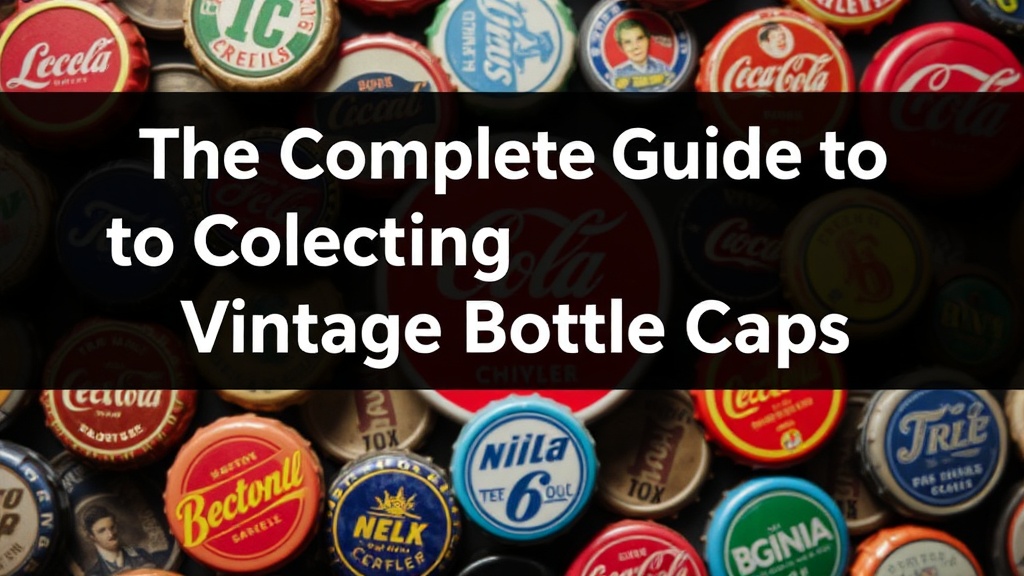
The Complete Guide to Collecting Vintage Soda Bottle Caps

This guide covers everything needed to start—or level up—a vintage soda bottle cap collection. From spotting rare 1950s Coca-Cola cork-lined caps to storing modern aluminum crowns without damage, you'll find practical steps, real-world values, and trusted sources. Whether you're hunting through estate sales in Halifax or browsing eBay listings at midnight, knowing what separates a $0.10 common cap from a $200+ grail makes all the difference.
What Makes a Soda Bottle Cap Valuable?
Rarity, condition, and brand history determine value. The scarcest caps—those from defunct regional bottlers, limited promotions, or short production runs—command the highest prices. A 1950s NuGrape cap from a small Louisiana bottler might sell for $50 while a common Pepsi cap from the same era fetches $2.
Condition matters just as much. Serious collectors want caps with zero dents, crisp paint, and intact liners. Here's the thing: rust is the enemy. Once a steel cap corrodes, the value drops by half—sometimes more. Plastic caps from the 1970s and later avoid rust issues but bring their own problems: UV fading, cracks, and brittle plastic that snaps under pressure.
The Bottle Cap Mania database tracks thousands of documented sales. Check it before any big purchase. Counterfeits exist—especially for rare soda brands like Howdy or Kist—and unscrupulous sellers sometimes "age" modern caps artificially.
Era by Era: What to Expect
| Era | Material | Key Characteristics | Average Value Range |
|---|---|---|---|
| Pre-1950 | Cork-lined steel | Heavy, often hand-corked, prone to rust | $5 – $75+ |
| 1950s–1960s | Cork-lined steel | Brighter colors, mass production begins | $1 – $50 |
| 1970s–1980s | Vinyl-lined steel | Lighter construction, plastic liners appear | $0.25 – $15 |
| 1990s–Present | Aluminum | Twist-off compatible, thinner metal | $0.10 – $10 |
Worth noting: some collectors specialize entirely in cork-lined caps. The Soda Fandom community maintains active forums where cork-liner enthusiasts trade restoration tips and authentication advice.
Where Can You Find Vintage Bottle Caps in 2025?
Estate sales, flea markets, and online marketplaces remain the top sources—though each comes with trade-offs. Estate sales in older neighborhoods (think Halifax's North End or similar historic districts in any port city) often yield untouched collections from original owners. The catch? Competition. Dealers arrive early with flashlights and cash.
eBay works for specific targets. Search "vintage soda bottle cap lot" with filters for sold listings—this shows actual market value, not aspirational asking prices. Facebook Marketplace and Kijiji surprise collectors periodically, especially from sellers clearing out basements who don't know what they have.
Metal detecting at old dump sites and former soda bottling locations takes patience but rewards the persistent. Always get permission—trespassing on private property or protected land creates legal headaches. Detectorists in New England report finding 1930s–40s caps regularly at former picnic grounds and fair sites.
For high-end purchases, Hake's Auctions handles rare advertising collectibles including premium bottle cap collections. Their authentication standards protect buyers from the counterfeit market that plagues unregulated platforms.
How Should You Store and Display a Bottle Cap Collection?
Proper storage prevents the slow deterioration that ruins value. Steel caps need low humidity—ideally under 50%. Silica gel packets inside storage containers absorb moisture cheaply. Replace them every few months, or recharge reusable packets in an oven per manufacturer instructions.
Display choices affect longevity too. Direct sunlight fades colors fast—reds turn pink, blues wash out to gray. UV-filtering glass or acrylic cases solve this but add cost. The Binder Brothers 3-ring cap pages (standard 20-pocket sheets) run about $15 for a pack of ten and fit most collections. That said, they don't protect against light—store binders in drawers or cabinets when not showing them off.
For serious collectors, the Whitman Coin & Collectible Supplies round capsule holders work beautifully. Each rigid plastic capsule holds one cap, prevents crushing, and allows full visibility. At roughly $0.50 per capsule, they're an investment—but so is every cap you protect inside one.
Organization Systems That Actually Work
Sort by whatever system helps you enjoy the collection. Common approaches include:
- Geographic: By bottler location—great for regional specialists
- Chronological: By decade or year—ideal for tracking design evolution
- Brand: Alphabetical by soda name—the simplest default
- Theme: Sports promotions, holiday designs, celebrity endorsements
Label everything. Archival-quality acid-free paper slips inside pages prevent ink transfer and provide space for notes—date acquired, price paid, bottler information. Ten years later, you'll thank yourself.
Cleaning: Do It Right or Don't Do It
Never use harsh chemicals or abrasive tools. A soft brush removes loose dirt. Warm water with mild dish soap handles grime on steel and aluminum—dry immediately with a lint-free cloth. The catch? Cork liners hate water. Once soaked, they swell, crack, and disintegrate.
Some collectors apply a light coat of Renaissance Wax to steel caps for rust prevention. Others argue any coating alters the "natural" state. The debate rages in collecting circles—choose your side, but document what you've done. Future buyers deserve transparency.
What Are the Most Sought-After Bottle Cap Brands?
Coca-Cola dominates the high-end market. Early 1900s cork-lined Coke caps with patent dates, Christmas-themed releases from the 1950s, and international variants from bottlers in Cuba, the Philippines, or pre-war Germany attract serious money. A 1920s "Christmas Cactus" Coke cap in mint condition sold for $450 at auction in 2023.
Pepsi caps lag slightly behind but offer better entry points for new collectors. The 1940s "Pepsi-Cola" script caps with double-dot logos remain affordable and attractive. Look for military-themed caps from World War II—Pepsi produced special designs for USO shows and base exchanges.
Regional brands often surprise. Sun Crest, Dr. Wells, Upper 10, and Bubble Up bottlers operated in limited territories. When those companies folded, their caps became instant collectibles. A complete set of Nesbitt's orange soda caps from California bottlers trades for $80–120 depending on condition.
Canadian collectors hunt Cott, CPlus, and vintage Canada Dry variants. Halifax itself hosted several small bottlers in the early 1900s—caps from Smith's Beverages or Acadian Soft Drinks turn up occasionally in Maritime estate sales and represent genuine local history.
How Do You Authenticate a Rare Bottle Cap?
Authentication separates expensive mistakes from smart acquisitions. Start with reference materials. The Standard Guide to Bottling Collectibles (published by Krause Publications) remains the bible—though out of print, used copies surface on AbeBooks and eBay regularly.
Examine construction details. Pre-1960 cork liners attach differently than modern reproductions. Authentic vintage cork shows compression marks, aging patterns, and sometimes faint manufacturer stamps on the underside. Reproduction liners look too clean—uniform thickness, no patina, suspiciously fresh adhesive.
Paint tells stories too. Genuine vintage caps use lead-based paints (don't lick them) with specific aging characteristics—microscopic cracking called "crazing" appears under magnification. Modern reproductions use safer paints that age differently, often flaking rather than crazing.
When in doubt, consult specialists. The Bottle Cap Collectors Association offers authentication services for members and maintains a registry of known fakes. Membership costs less than one bad purchase.
Red Flags to Watch For
- Caps sold as "mint" but priced far below market—if it seems too good, it probably is
- Sellers refusing detailed photos of liner undersides and rim edges
- "Vintage-style" or "reproduction" buried in item descriptions—read carefully
- Bulk lots containing multiple "rare" caps—statistically suspicious
- Perfect paint on supposedly 70-year-old steel—time leaves marks
Building a vintage bottle cap collection rewards patience more than deep pockets. Start with affordable common brands to learn condition grading. Graduate to regional specialties that interest you personally. Network with other collectors at shows (the annual National Bottle Show rotates between Ohio, Pennsylvania, and New York—worth the trip for serious enthusiasts). Document every acquisition. Store everything properly. And remember: the hunt—sorting through a dusty box at a rural flea market, spotting that flash of faded red paint—delivers joy long before any sale or trade.