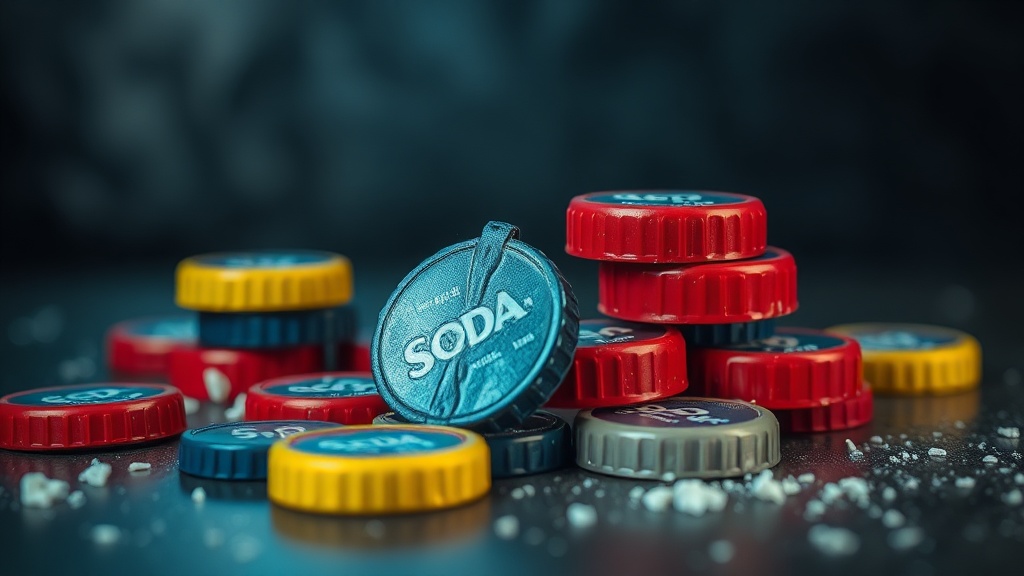
Store Soda Caps Flat, Not Stacked: Prevent Damage

Quick Tip
Always store soda caps flat in individual archival pockets to prevent warping, edge damage, and preserve their condition.
This guide explains why flat storage prevents warping, cracking, and paint loss in bottle cap collections. Poor storage damages value—sometimes permanently. Whether you're storing modern craft caps or vintage Coca-Cola crowns, how they're stored matters more than most collectors realize.
What's the Best Way to Store Bottle Caps Long-Term?
The best method is flat storage in archival-quality supplies. Think trading card boxes, not shoeboxes caps piled high. When caps sit flat—facing upward, not stacked atop one another—pressure distributes evenly. That pressure distribution is key.
Most damage happens slowly. You won't notice it for months. A slight bend here, a stress crack there. Before long, that pristine 1950s Pepsi cap looks like it's been through the dishwasher. The paint flakes. The liner degrades. Value drops.
Here's the thing: bottle caps weren't designed for long-term storage. They were built to seal bottles once—then get discarded. Their metal composition varies by era and brand. Vintage caps from the 1960s often contain more tin, making them softer. Modern craft beer caps use steel or aluminum alloys. Different metals react differently to pressure and humidity.
Does Stacking Bottle Caps Cause Permanent Damage?
Yes—stacking creates pressure points that warp metal and crack paint. Even five caps stacked creates enough weight to deform the bottom piece over time. The weight might seem trivial. It isn't.
Caps stored in stacks develop "edge curl"—that slight upward bend along the rim. Once curled, they rarely flatten completely. Worse, the pressure grinds painted designs against metal edges. Micro-abrasions add up. That crisp red Dr. Pepper logo? Scuffed. That limited-edition Ballast Point cap? Chipped.
The catch? Heat accelerates everything. A closet in a Halifax summer—where temperatures climb—makes stacked caps fuse slightly. The metal expands. The paint softens. Disaster follows.
| Storage Method | Damage Risk | Best For |
|---|---|---|
| Flat in archival boxes | Minimal | Vintage & high-value caps |
| Flat in 9-pocket pages | Low | Display & moderate collections |
| Stacked in jars | Moderate to High | Temporary sorting only |
| Stacked loose in bins | High | Not recommended |
What Supplies Do You Need for Flat Bottle Cap Storage?
You need three basics: archival boxes, acid-free sleeves, and silica gel packets. The BCW Shoe Storage Box works well—it's sized for trading cards but perfect for organized rows of caps. For sleeves, Ultra-PRO 9-Pocket Pages let you view caps without handling them. Worth noting: always choose polypropylene over PVC, which degrades and releases harmful gases.
Don't overthink it. A $12 box from BCW protects better than a "specially designed" collectible case costing five times more. Place silica packets inside—Dry-Packs brand works reliably—and replace them yearly. Halifax humidity isn't gentle on metal.
That said, you don't need to store every cap flat. Common modern caps—your standard Budweiser or Coors Light crowns—handle stacking better. They're replaceable. But that 1962 Seven-Up embossed cap? The limited Tree House Brewing release? Flat storage only. Your collection's value depends on it.
"The most expensive storage mistake is thinking you'll fix the damage later. You won't."
For more on proper archival methods, check resources from the Brewery Collectibles Club of America. They maintain detailed guidelines on metal preservation. The Collectors Weekly bottle cap archive also shows how storage conditions affect cap appearance over decades—visual proof that flat storage wins.