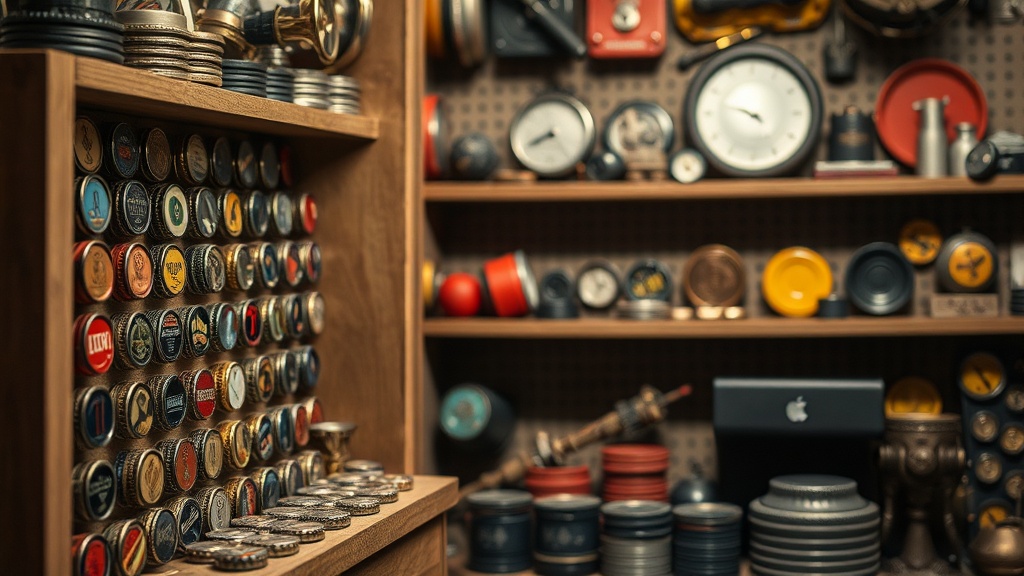
Selecting the Right Storage Systems for Metal Caps and Small Collectibles

This guide explains how to choose the right storage containers and display methods to keep your metal soda caps and small collectibles organized, visible, and protected from environmental damage. You'll learn the differences between various display types and how to select materials that won't harm your items over time.
A collection of metal soda caps is more than just a pile of metal; it's a curated history of branding and design. However, without a proper storage plan, these small items can easily become a cluttered mess. Whether you're dealing with a few dozen high-value pieces or thousands of vintage-style caps, the way you house them determines how long they stay in top condition. If you don't have a plan, your items might end up in a junk drawer or a disorganized box, which is the fastest way to lose track of what you actually own.
What Materials Should You Use for Displaying Metal Caps?
When choosing a display, the material of the housing is just as important as the aesthetics. Most collectors want something that looks clean, but you have to be careful with certain substances. For instance, many cheap plastic bins can off-gas chemicals that might react with certain coatings or older metal finishes. Acrylic is generally a safer bet than low-grade PVC. If you're looking for something high-end, glass is a fantastic option because it's chemically inert and provides a clear view of your collection without the risk of certain plastic-related degradation.
Metal-framed shadow boxes are another popular choice. They offer a sense of weight and permanence. If you use a shadow box, ensure the backing material is acid-free. Standard cardboard or cheap foam boards can become acidic over time, which might lead to discoloration or even corrosion on the edges of your caps. You can find high-quality, acid-free mounting supplies through specialized art retailers like specialty art supply sites to ensure your backing stays neutral.
How Do I Prevent Damage from Humidity and Air?
Metal caps, especially older ones with thin linings or exposed metal, are sensitive to the air around them. Humidity is the enemy of a collector. If you store your collection in a plastic bin that isn't airtight, moisture from the air will seep in and cause oxidation. This isn't just about rust; it's about that dull, lackluster look that ruins the vibrant colors of a printed cap. To combat this, look for storage solutions that offer an airtight seal. Glass jars or specialized display cases with silicone gaskets are great for smaller, more delicate pieces.
If you're displaying items in an open environment, like a shelf, you'll need to be more proactive. You might consider using silica gel packets inside your storage containers to absorb excess moisture. These little packets are inexpensive and can make a massive difference in keeping your metal pieces shiny. Just remember to replace them regularly if you're using them in a non-sealed environment. It's a simple step, but it keeps the "patina" from turning into actual damage.
Common Storage Scenarios for Small Collectibles
Depending on the size and volume of your collection, your needs will change. I've broken down a few common setups below:
- The Small Collector: If you have under 50 pieces, a single large glass apothecary jar or a small shadow box works perfectly. It keeps everything contained and easy to view.
- The Growing Enthusiast: Once you hit the hundreds, you'll want something modular. Acrylic tiered spice racks or specialized tiered displays allow you to see multiple rows of caps at once without them stacking on top of each other.
- The Heavy-Duty Collector: For thousands of items, you'll likely need a dedicated cabinet. A glass-fronted wooden cabinet or a professional-grade display case is the way to go. This keeps the collection centralized and protected from dust and physical handling.
When organizing, don't just throw things in a pile. Even if you're using a deep bin, try to use dividers. Dividers help prevent the caps from scratching one another. When metal rubs against metal, you can get tiny abrasions that ruin the surface finish. Using felt or soft fabric dividers is a clever way to keep things separated and safe during transport or even just during daily viewing.
For those who want to track their collection digitally alongside their physical storage, resources like the Library of Congress digital archives can be a great way to research historical context, which might influence how you categorize your items. A well-organized collection is a pleasure to look at, but a well-documented one is a legacy. Always keep a digital-physical connection in mind. If you have a storage bin, label it clearly and keep a spreadsheet or a dedicated app to note what's inside. This prevents the "hunting and searching" fatigue that many collectors face when their stash gets too large.