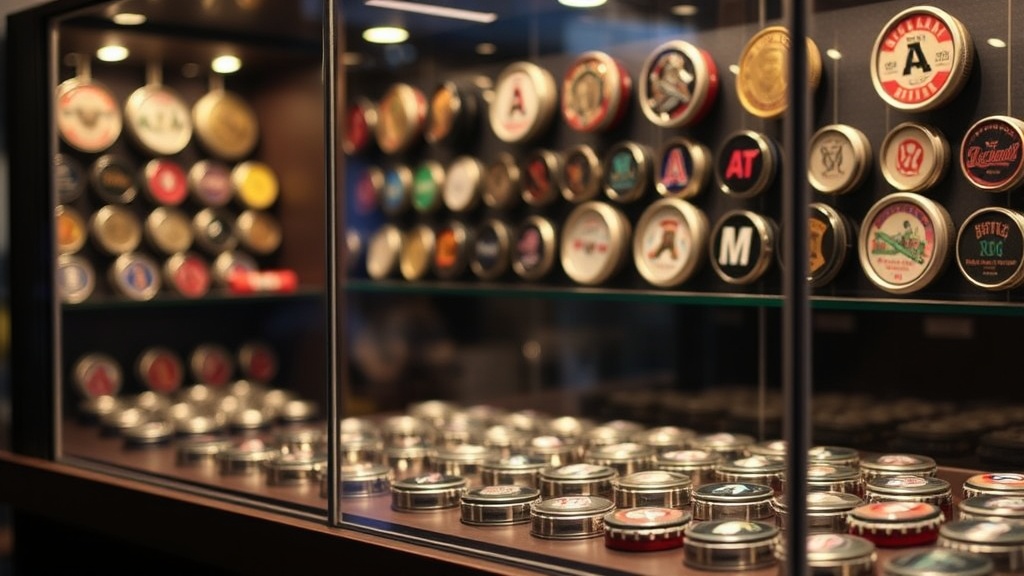
Selecting the Best Display Cases for Metal Caps and Small Collectibles

What to look for in a display case for soda caps
This article covers the technical and aesthetic requirements for choosing display solutions that protect your soda cap collection from environmental damage. You'll learn how to evaluate materials, light exposure, and structural integrity to ensure your small metal collectibles remain in pristine condition. Selecting the wrong housing can lead to oxidation or even physical damage—something every serious collector wants to avoid.
When you're browsing for a way to showcase your finds, the first thing you'll notice is the sheer variety of options. You have everything from cheap plastic bins to high-end glass cabinets. However, not all display methods are created equal. For a collection involving metal caps, the primary concern is the interaction between the material and the atmosphere. If you're using a cheap, non-sealed plastic container, you might inadvertently trap moisture inside, which is a recipe for disaster for metal components.
A good display case should provide a stable environment. This means looking for materials that don't off-gas chemicals—a common issue with certain low-grade plastics. If a case smells like a "new car" or heavy chemicals, it might actually be releasing gases that could tarnish the delicate printing on your caps. For those who want to truly protect their inventory, a glass-fronted wooden cabinet or a high-quality acrylic case is usually the way to go. Glass is inert, meaning it won't react with the air or your items, providing a clear view without the risk of chemical degradation.
How much light is too much light for metal caps?
Light is one of the most overlooked factors in the preservation of small collectibles. While it's tempting to place a beautiful display case right next to a sunny window to show off your hard work, UV rays are a silent enemy. UV radiation can fade the vibrant inks and pigments used in soda cap designs, turning a bright, colorful piece into a dull, faded shadow of its former self. This isn't just an aesthetic issue; it affects the long-term value of the item.
If your display is in a room with significant natural light, you'll need to consider your placement carefully. You might want to look into UV-filtering glass or acrylic. Many professional-grade display cases offer UV protection, but you'll need to check the specifications. If you're using a standard case, a simple way to mitigate this is to use window films or even just move the cabinet to a different wall. It's a small adjustment that makes a massive difference in how long your colors stay vivid.
Artificial lighting also requires a bit of thought. LED lights are generally much safer than older incandescent bulbs because they produce very little heat and negligible UV output. If you're using a display with built-in lighting, make sure the heat sinks are well-ventilated. Excessive heat in a small, enclosed space can cause the air to expand and contract, which can lead to micro-fluctuations in humidity—another factor that can lead to premature aging of metal edges. You can find more technical details on light-induced degradation through resources like the Library of Congress, which provides extensive information on material preservation.
Where can I find high-quality display solutions?
Finding the right balance between a beautiful presentation and actual protection can be tricky. You'll find that your options generally fall into three categories: retail-ready displays, hobbyist shadow boxes, and custom-built cabinetry. For those just starting out, shadow boxes are often the most accessible and affordable way to organize a growing collection. They allow you to group items by theme or era, which adds a layer of storytelling to your display.
If you're looking for something more permanent, you might want to investigate specialized-case manufacturers. These are often more expensive, but they offer the level of security and environmental control that a serious collector requires. When searching, look for terms like "museum-grade" or "archival-quality." This tells you the manufacturer is prioritizing the longevity of the contents. For example, if you are looking for specific sizing or professional-grade materials, checking out a site like Smithsonian Magazine for articles on museum-standard storage can give you a better idea of what to look for in a high-end case.
- Acrylic Shadow Boxes: Lightweight, easy to clean, and great for smaller, single-row displays.
- Wooden Cabinets with Glass Doors: Provides a classic look and offers much better protection against dust and physical handling.
- Custom Acrylic Displays: The gold standard for individual pieces, offering high clarity and minimal weight.
One thing to remember is that the weight of your collection can also play a role. If you're planning on using a tiered display or a heavy-duty shelf system, ensure the weight limit of the case is clearly stated. A collection of hundreds of metal caps can actually be quite heavy, and you don't want a display that bows or cracks under the pressure over time. Always check the load-bearing capacity if you're buying a multi-tiered case.
Beyond just the physical structure, think about the accessibility of your items. Do you want a case that is completely sealed, or one where you can easily swap out pieces? A sealed case is better for long-term preservation, but if you're someone who likes to constantly reorganize, a slightly more open system might be more practical. Just be sure to keep that open system in a controlled environment to minimize the impact of dust and moisture.
Ultimately, the goal is to create a display that is as much a part of the collection as the items themselves. A well-chosen case doesn't just hold your items; it frames them and tells the world that these small pieces of history are worth protecting. Whether it's a simple bookshelf with glass covers or a custom-lit-up cabinet, the way you present your collection is a reflection of the care you put into finding each piece.