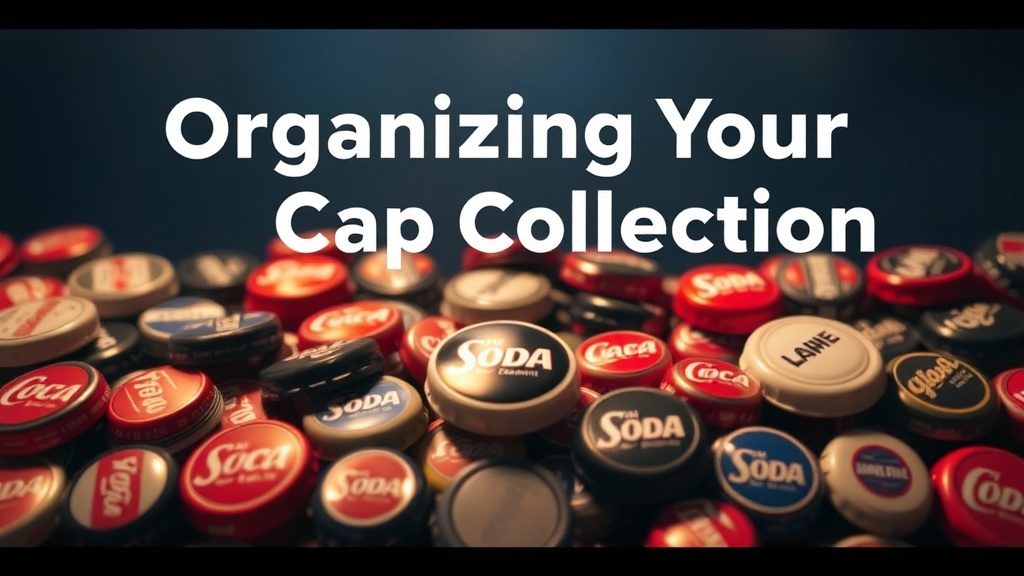
Organizing Your Soda Cap Collection by Brand and Era

The Logic of Order: Why Organization Matters for Collectors
Did you know that a single collector's collection can contain upwards of 5,000 individual items, each with its own unique weight, diameter, and oxidation level? Without a system, a collection isn't a curated set—it's just a pile of metal. Organizing your soda caps, bottle tops, and small metal collectibles is the difference between a disorganized box of junk and a museum-quality display. Proper organization helps you identify gaps in your collection, prevents accidental damage during handling, and makes it much easier to show off your finds to fellow enthusiasts.
This guide focuses on the practical methods of sorting your small metal collectibles based on two primary pillars: branding and chronology. Whether you're working with classic metal crimped caps or modern variations, having a system in place ensures you aren't constantly searching through bins to find that one specific piece you've been hunting for months.
Should You Sort by Brand or by Time Period?
The biggest debate among collectors is whether to organize by manufacturer or by the era in which the piece was produced. There isn't one right answer, but there are distinct advantages to each method depending on your goal.
Sorting by brand is often the easiest way to start. If you're a brand-loyalist—someone who focuses heavily on Coca-Cola, Pepsi, or regional soda brands—grouping by logo makes your collection visually striking. This method allows you to see the evolution of a single brand's identity. You'll see how a logo shifts from a hand-drawn style to a standardized graphic design over decades. It's also much easier to spot a rare variation if you've grouped all the "Brand X" caps together.
On the other hand, sorting by era—such as the pre-war era, the mid-century boom, or the modern era—provides a historical perspective. This is particularly useful if you collect items that show the industrial evolution of bottling. For instance, grouping by the decade allows you to see how the materials used in manufacturing changed. You might notice a shift from heavy, thick metal caps to lighter, thinner ones as production moved toward mass-market speed. If you enjoy the history of the industry, this is your way to go.
Methods for Effective Sorting
Once you've decided on your primary method, you need the right tools to keep things separated. Avoid using cheap plastic bins that might scratch the surfaces of your metal caps. Instead, consider these options:
- Divided Acrylic Trays: These are perfect for smaller items or "smalls" that aren't full-sized caps. They allow you to see everything at a glance without digging.
- Customized Drawer Units: Small-scale desktop drawers are great for keeping brands separated. You can label each drawer (e.g., "Vintage Cola," "Root Beer Brands," "International Finds") to keep your inventory tight.
- Protective Sleeves: For highly valuable or extremely fragile pieces, individual clear sleeves can prevent metal-on-metal contact, which can cause micro-scratches.
One thing to keep in mind: always check the condition of your items before filing them away. If you've found a piece with significant rust, don't put it directly next to a pristine, high-value cap. The oxidation from one can quickly spread to another through contact. You can find more about the chemistry of metal aging at Britannica, which is a great resource for understanding how environmental factors affect different materials.
How Do I Prevent Damage While Sorting My Collection?
Handling small metal items requires a gentle touch. It's tempting to grab a handful of caps to move them from one container to another, but this is a mistake. The friction between metal surfaces can dull the finish or even strip away thin layers of paint or plating.
Always use clean, dry hands or, better yet, lint-free gloves. If you're sorting through a new haul from a flea market or an estate sale, don't assume they're clean. A bit of dirt or residue can be abrasive. I always recommend a quick inspection under a bright light before you even begin the sorting process. This helps you identify any pieces that might need specialized care before they enter your main storage system. If you find a piece with heavy debris, it's best to clean it using the methods outlined in our Smithsonian-approved approaches for metal artifacts to ensure you don't cause permanent damage.
The Importance of Documentation
A collection is only as good as your record of it. As you sort, keep a spreadsheet or a dedicated notebook. Note down the brand, the estimated era, the material (aluminum vs. steel), and the condition. This documentation is vital if you ever decide to trade or sell. A buyer wants to know that you know exactly what you have. It also helps you track your progress toward completing a specific set. If you're aiming for a complete set of a specific regional soda brand, your spreadsheet will tell you exactly which piece is still missing.
A well-organized collection is a living thing. It changes as you find new pieces and as your interests shift. By setting up a system now, you're ensuring that your collection remains a source of joy rather than a source of frustration. Whether you're a casual enthusiast or a hardcore collector, the way you treat your items during the sorting process defines the longevity and value of your entire collection.