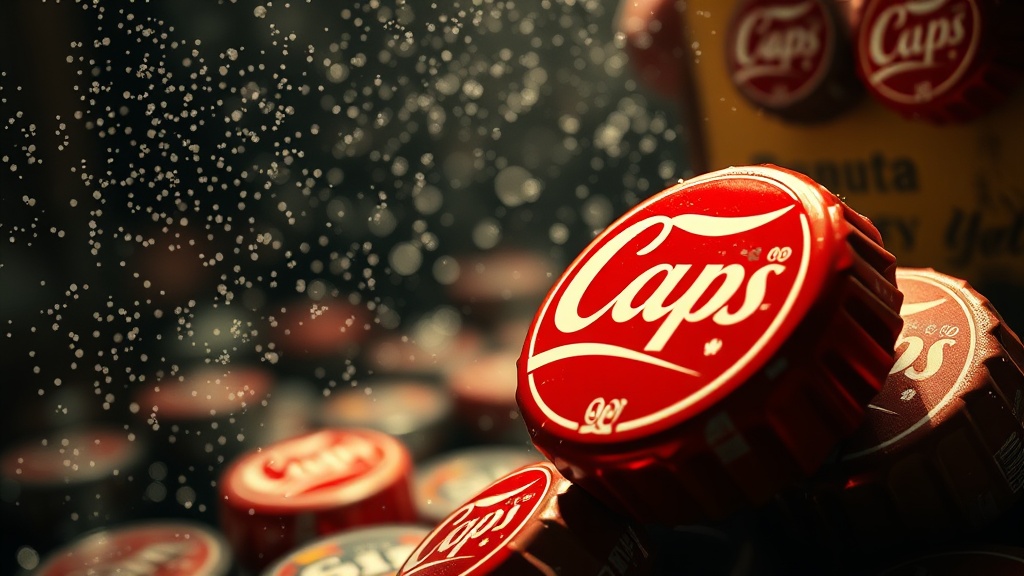
How to Hunt for Rare Soda Caps Without Emptying Your Wallet

Most collectors believe that finding rare soda caps requires deep pockets and connections to elite dealers. That's completely backwards—some of the most valuable pieces in my collection came from junk drawers, old sheds, and estate sales where sellers had no idea what they were holding. The real skill isn't about having money to spend. It's about knowing where to look, what to look for, and how to spot the clues that others miss.
In over a decade of collecting across Atlantic Canada, I've pulled cork-lined beauties from barn rafters and discovered pristine regional brands at church rummage sales for pocket change. The hunt itself becomes addictive—that moment when your eye catches a flash of color in a box of "junk" and your pulse quickens. This guide will show you exactly how to develop that eye and where to channel your energy for maximum results.
Where Should I Look for Vintage Soda Bottle Caps?
The obvious places—eBay, Etsy, dedicated collector shows—are where everyone looks. That means prices reflect demand, not rarity. The real treasures hide where casual collectors never think to search.
Estate sales in older neighborhoods are goldmines, especially in regions with strong bottling histories. When someone who's lived in the same house for fifty years passes away or downsizes, their garage often contains decades of accumulated "trash." I've found complete collections tossed in coffee tins because the family saw no value in "old bottle caps." Arrive early on the first day for organized sales, but don't ignore the final hours—that's when dealers slash prices and you can bundle forgotten boxes for next to nothing.
Basements of rural bars and legion halls hide remarkable caches. Old storage rooms often contain crates of empties, promotional materials, and caps that never got returned or recycled. Be polite, offer to buy the entire lot, and bring cash. These places appreciate discretion and straightforward dealing.
Demolition and renovation sites present opportunities that require some boldness. When old buildings come down—especially former grocery stores, diners, or bottling facilities—workers often find caches of vintage materials. Approach the foreman, explain your interest, and leave your contact information. I've acquired stunning lots from 1950s storage rooms discovered during restaurant renovations in Halifax and Dartmouth.
Junk removal businesses represent an under-tapped resource. These companies clear out estates and properties daily, and they're often happy to set aside interesting items rather than sending everything to landfill. Build relationships with local operators—bring them coffee, chat about their strangest finds, and they'll start calling you when metal cap collections surface.
Don't overlook family and friends. Post on your personal social media asking if anyone has "old soda stuff" in attics or garages. You'll be shocked what surfaces. My best acquisition—a complete set of 1960s Atlantic Beverages promotional caps—came from a cousin who remembered I "liked old bottles" and found them in her grandfather's workshop.
What Physical Clues Indicate a Valuable Find?
Once you're in front of a potential treasure, knowing how to evaluate it quickly separates the keepers from the recycling bin fodder. Time is often short at estate sales and dig sites—decisions happen in seconds.
The liner tells the era. Cork-lined caps predate the 1960s and immediately suggest age. Plastic liners became standard later, but even within plastics, composition varies. Early plastic liners feel different—stiffer, with distinct molding marks. Run your finger across the inside; texture reveals manufacturing periods that casual observers miss. The Smithsonian's collection of early bottling materials provides excellent reference imagery for dating liners by appearance.
Rust patterns reveal authenticity. Genuine vintage caps show oxidation that develops over decades—subtle, often concentrated where moisture collected during storage. Artificial aging (yes, people fake this) looks wrong—too uniform, too aggressive, or chemically inconsistent. Real rust has texture and variation. It flakes in specific ways. Learn these patterns and you'll spot fakes immediately.
Embossing depth and detail matter enormously. Older caps, especially pre-1950s, often feature deeper, crisper embossing than modern reproductions. The metal was thicker, the presses different. Compare suspected vintage pieces against known modern examples—subtle differences in edge definition and raised lettering height become obvious once trained.
Regional indicators multiply value. A generic Pepsi cap from 1970 might be worth pennies. The same era cap from a defunct Atlantic Canadian bottler—say, Nova Scotia's historical beverage companies—could command serious money from regional collectors. Study local bottling history. Memorize logos of defunct regional brands. When you spot an unfamiliar name, that's often where value hides.
Colorfastness indicates storage conditions. Caps that spent decades in cool, dark basements retain vivid colors. Those exposed to sunlight bleach and fade—sometimes interestingly, sometimes destructively. Neither is automatically "better," but condition affects value differently depending on what you collect. A sun-faded cap from an extinct brand still beats a pristine common brand.
How Do I Verify Authenticity Before Buying?
The vintage soda cap market, while niche, attracts reproductions and outright fakes. Protect yourself with systematic verification.
Weight and metal composition reveal modern fakes. Older caps used different steel alloys—slightly heavier, different magnetic properties. Keep a known authentic vintage cap in your pocket as a reference. When something feels "off"—too light, too tinny, magnetism that's too strong or too weak—investigate further.
Manufacturing marks and inconsistencies tell stories. Genuine vintage caps show slight variations from piece to piece—minor edge irregularities, subtle color shifts between production runs. Modern reproductions, especially from overseas manufacturers, look too perfect. Identical. Soulless. That uniformity is a warning sign.
Patina doesn't lie—but it can mislead. Genuine age creates specific surface changes: micro-pitting, oxidation patterns that follow the metal's grain, dust accumulation in embossed areas that resists casual cleaning. Artificial aging attempts to replicate this but rarely succeeds. Compare suspected pieces against documented authentic examples from Bottle Cap Historical archives or established collector databases.
Provenance documentation adds confidence. When buying from estates or collections, ask about origin stories. Where did these come from? How long were they stored? Documentation—old photographs, original storage containers, handwritten inventories—supports authenticity claims. None of this guarantees legitimacy, but it builds confidence.
Price as indicator. If a deal seems too good to be true, skepticism is warranted—but so is curiosity. Sometimes sellers genuinely don't know what they have. More often, bargain prices signal problems: reproductions, damaged goods, or stolen merchandise. Trust your instincts when something feels wrong.
Building Your Network
Successful hunting isn't solitary—it's relational. Connect with local collectors through Facebook groups, Reddit communities (r/bottlecaps has active members), and regional clubs. Share your finds generously. The community reciprocates.
Develop relationships with antique dealers who handle general merchandise. They encounter bottle caps regularly but rarely specialize. Become their go-to contact for such items. Offer fair prices, respect their expertise in other areas, and you'll get first calls.
Document everything you find, even "worthless" pieces. Photograph locations, storage conditions, accompanying materials. This builds your knowledge base and provides reference for future finds. My digital archive now contains thousands of images—most from finds I passed on, but each taught me something.
Finally, accept that most hunting trips yield nothing. That's the nature of the pursuit. The dry spells make the discoveries sweeter—and they filter out collectors who lack persistence. Keep looking. The next barn, the next basement, the next overlooked tin might contain exactly what you've been seeking.