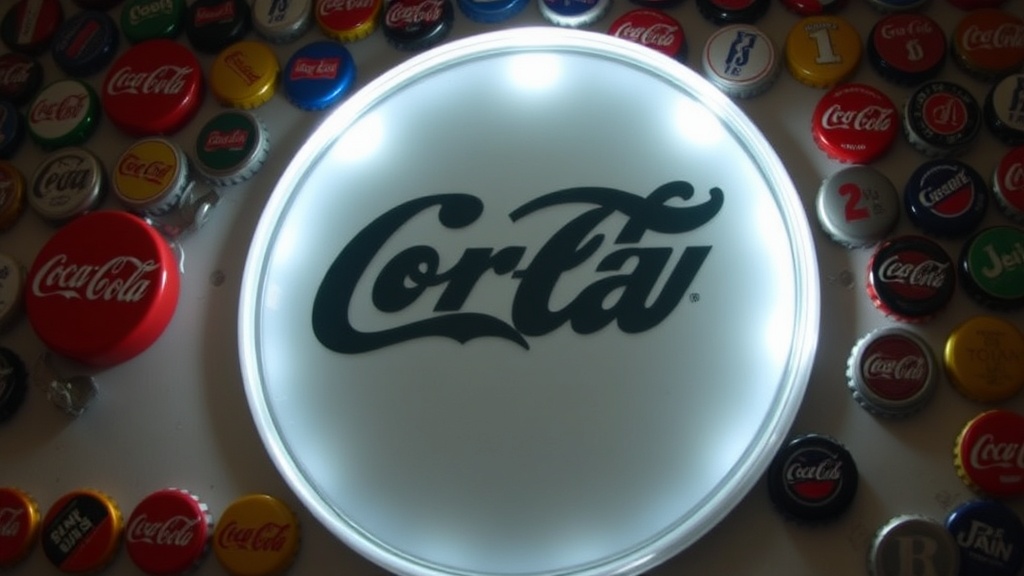
Creative Ways to Display Your Soda Cap Collection

What This Post Covers
This guide explores practical, attractive methods for showcasing bottle cap collections—from shadow boxes and display cases to DIY projects and creative wall arrangements. Whether you've got fifty caps or five thousand, the right display method protects the collection while making it visible and conversation-worthy. Storage matters. Caps left in jars or drawers stay hidden; caps on display become part of the living space.
What Are the Best Display Cases for Bottle Caps?
Glass-front cases with shallow depth work best—caps don't need much room, but dust protection matters significantly. The IKEA RIBBA frame (9x9 inches, about $15) holds roughly 100 standard caps arranged in a grid. Remove the backing, add a thin sheet of foam board, and press caps into place. Simple. Effective. Cheap enough to buy a dozen.
For larger collections, consider the Shot Case 1000—a wall-mounted unit with individual slots. Runs around $89. It's acrylic, not glass, so lighter and safer around kids. The slots fit standard 26mm crowns perfectly.
Serious collectors often graduate to custom shadow boxes. Michaels sells unfinished wood shadow boxes in multiple sizes; stain or paint to match the room. Add felt backing—dark green or burgundy looks classic. The key is depth: keep it under 1.5 inches or caps look recessed and lost.
Display Case Comparison
| Product | Capacity | Price (CAD) | Best For |
|---|---|---|---|
| IKEA RIBBA Frame | ~100 caps | $15 | Starting collectors, thematic groupings |
| Shot Case 1000 | 1,000 caps | $89 | Intermediate collections, organized display |
| Michaels Shadow Box (14x18") | ~150 caps | $35 | Custom projects, gift displays |
| Coin Display Cabinet | 300-500 caps | $120-180 | Valuable caps, dust-free storage |
| Cork Board + Pins | Unlimited | $20-40 | Budget option, easy rearrangement |
How Can You Make a DIY Bottle Cap Display?
DIY options range from dead-simple to weekend projects. The magnetic board method takes about an hour and costs under $30. Start with a sheet of galvanized steel from Home Depot—24x36 inches runs roughly $18. Mount it in a basic wood frame (check the lumber scrap bin). Caps stick directly with small neodymium magnets glued underneath. The result looks industrial and modern. Rearranging takes seconds.
Another approach: repurpose an old window. Salvage shops in Halifax—Eco-Gro in the North End—sell vintage sash windows for $10-25. Clean the glass, add a plywood backing, and create a grid with thin wood strips. Each cap sits in its own compartment. The character of old glass beats new every time.
For the craft-inclined, try the "coffee table method." Buy a cheap lack table ($15 at IKEA), flip it upside down, and fill the hollow underside with caps. Pour clear epoxy resin overtop—ProMarine Tabletop Epoxy works well, about $50 for enough to cover a 2x2 area. Takes 72 hours to cure. You'll stare at the table more than the TV.
Worth noting: resin projects require ventilation. The fumes aren't friendly. Work outside or in a garage with the door open.
Can You Display Bottle Caps Without Damaging Walls?
Absolutely. Rental-friendly options exist. Command Strips hold lightweight frames securely—use the 16-pound rated strips for anything over 8x10 inches. Remove clean, no spackle required. 3M's picture hanging strips work for frames up to 24x36.
Freestanding displays bypass walls entirely. A leaning ladder shelf—the IRIS 4-tier from Canadian Tire ($45)—holds shallow trays or frames. Position against a wall, no mounting needed. Or try a tabletop easel with a framed backing board; rotate which caps face forward seasonally.
Cork tiles offer another damage-free route. Quartet cork tiles (12x12 inches, pack of 4 for $20) attach with removable adhesive squares. Push pins hold caps directly. The cork absorbs the pin holes, and removal leaves minimal marks—usually nothing a magic eraser won't fix.
Quick Damage-Free Mounting Guide
- Under 5 lbs: Command Strips (4 strips per frame)
- 5-10 lbs: Monkey Hooks or drywall toggles (small holes, easily patched)
- Over 10 lbs: Locate studs. Use proper screws. No shortcuts.
- Tile or glass: suction cup hooks rated for 10+ lbs
- Brick: removable adhesive clips (test weight capacity first)
What's the Best Way to Organize Caps Within a Display?
Organization transforms a pile into a collection. The most common method: by color. Rainbow arrangements catch the eye immediately—reds group with reds, blues with blues. Gradients work too, fading from yellow through orange to red. It's satisfying. Almost too satisfying.
Geographic organization appeals to travel collectors. Canadian caps separate from American, European in their own section. Within regions, alphabetize by brand or province. This method tells a story—each section represents a place, a trip, a find.
Chronological sorting works for historical collectors. Arrange by decade, showing the evolution of logo design. The Crown Cap Conservancy maintains excellent resources dating vintage caps—worth checking if the collection includes older pieces. Their database helps identify and date ambiguous finds.
Some collectors organize by rarity. Common caps fill the background; rare specimens get center placement and better lighting. The display becomes a treasure map—your eye naturally finds the valuable pieces.
How Do You Light a Bottle Cap Display Properly?
Lighting makes or breaks a display. Caps have reflective surfaces—direct overhead bulbs create harsh glare. The solution: indirect lighting. LED strip lights mounted above and behind the display, aimed at the wall, create a soft wash of light that illuminates without glare.
Philips Hue Lightstrip ($90 for 2 meters) offers adjustable color temperature—warm white (2700K) makes metal caps glow. Cheaper alternatives exist; Govee LED strips ($25) perform nearly as well. Both use adhesive backing. Mount them on the top inside edge of a shadow box, facing inward and slightly downward.
For framed displays, picture lights work well. The Westinghouse 7-inch LED Picture Light ($35) mounts above the frame, casting light downward at a 30-degree angle. Battery-powered options eliminate wiring. Change batteries every six months or the light dims imperceptibly—you won't notice until someone points it out.
Here's the thing about natural light: avoid it. UV fades colors over time. That bright red Coca-Cola cap turns pink in a sunny window within a couple years. Position displays away from direct sun. If the room gets afternoon light, use UV-filtering glass in frames—it costs 30% more but preserves the collection indefinitely.
Creative Display Ideas for Small Spaces
Not everyone has wall space. Small apartments—common in Halifax's south end—demand creativity. The magnetic knife strip solution: mount a IKEA KUNGSFORS magnetic rack ($15) inside a cabinet door. Caps stick to the front. Open the cabinet, the collection appears. Close it, clutter disappears.
Picture ledges—narrow shelves with a front lip—work vertically or horizontally. The RIBBA picture ledge ($10, 45 inches long) holds caps arranged in small groups, interspersed with mini frames or other collectibles. Layer multiple ledges, staggering heights. It creates depth without consuming floor space.
Some collectors integrate caps into functional items. Coasters made from single caps embedded in resin protect surfaces while displaying favorites. Keychains, refrigerator magnets, even cabinet hardware—the cap becomes part of daily life. The catch? These methods sacrifice the cap's condition. Don't use rare pieces for functional projects.
Protecting Your Displayed Collection
Display exposes caps to dust, humidity, and handling. Protection measures matter. For open displays, a can of compressed air—Dust-Off brand, available at any office supply store—removes dust monthly. Don't wipe with cloth; it scratches. Blow it off.
Humidity control prevents rust. Coastal areas like Nova Scotia run humid in summer. Silica gel packets tucked behind display backings absorb moisture. Replace or recharge them every six months. When the indicator turns pink, they're saturated.
Glass-front cases eliminate most dust issues but trap humidity. Crack them open for a few hours monthly—literally, just leave the door ajar. Air circulation prevents condensation. For valuable vintage caps, consider archival-quality storage inside the display. Archival suppliers sell acid-free polyethylene sleeves that fit standard crowns. Slip them in, display them safely.
Rotating Displays: Keeping Things Fresh
Large collections outgrow any single display. Rotation solves this. Store 80% of the collection in archival boxes—Gaylord Archival makes appropriate sizes—and display 20% at a time. Switch quarterly. The display stays fresh; the collector stays engaged.
Seasonal themes work well. Summer displays feature soda brands, bright colors, beach-themed caps. Winter shifts to darker colors, holiday releases, vintage designs. The rotation process itself becomes enjoyable—rediscovering forgotten pieces, handling the collection, remembering where each cap came from.
For serious collectors, photography helps track rotations. Snap a photo of each arrangement before dismantling. Reference photos prevent repeating the same layout accidentally. Over years, these photos document the collection's growth and the collector's evolving taste.
Final Thoughts on Display Choices
There's no single "right" way to display bottle caps. The shadow box collector isn't superior to the magnetic board enthusiast. What matters: the collection brings enjoyment, stays protected, and reflects the collector's personality. Start simple. IKEA frames and Command Strips. Upgrade as the collection—and the passion—grows.
That said, don't wait for the "perfect" display solution. Caps in a shoebox help no one. Caps on a wall—even imperfectly arranged—spark conversations, trigger memories, and turn a private hobby into something shareable. The best display is the one that gets the collection out of storage and into view. Everything else is refinement.