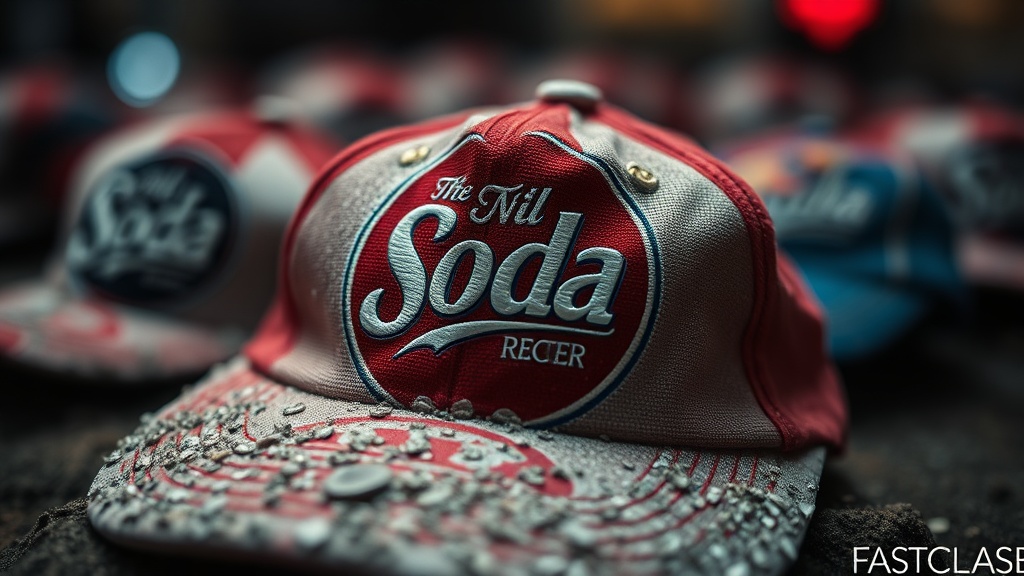
Beyond the Surface: Unearthing the Rich Histories Embedded in Soda Cap Designs

Decoding the Messages Your Soda Caps Have Been Hiding
Every soda cap tells a story, often far richer and more nuanced than a casual glance suggests. This guide will help you uncover the fascinating narratives — historical, cultural, and technical — woven into the often-overlooked details of your collection. From the subtle shifts in graphic design to the barely perceptible marks left by manufacturing processes, understanding these elements can profoundly deepen your appreciation for each piece and reveal insights into the eras they represent.
What Can Cap Designs Really Tell Us About the Past?
The visual language of a soda cap is a micro-history lesson, a tiny canvas reflecting broader artistic movements and societal trends. Consider the bold, geometric patterns of an Art Deco-era cap, perhaps from the 1920s or 30s. These aren't just decorative; they mirror the widespread fascination with modernity, industrial progress, and a sleek, sophisticated aesthetic that permeated everything from architecture to fashion. Fast forward to a cap from the mid-20th century, and you might see the influence of Mid-Century Modernism – simpler lines, optimistic color palettes, and a sense of post-war prosperity and innovation. These caps weren't created in a vacuum; they were products of their time, designed to appeal to the prevailing tastes and aspirations of consumers.
Advertising slogans, often printed directly onto the caps or incorporated into the design, offer direct windows into cultural norms and marketing strategies of bygone days. A slogan promising 'refreshment for the working man' paints a picture of a specific demographic and a particular era's values. These aren't just words; they're echoes of a time when advertising spoke to different concerns, often reflecting social hierarchies, gender roles, and economic realities. By examining these snippets, collectors can gain a more comprehensive understanding of the socio-economic context in which these beverages—and their caps—existed.
Beyond that, regional branding and local histories frequently manifest in cap designs. Before the age of ubiquitous national brands, many local bottlers thrived, each serving a specific community. Their caps often featured local landmarks, mascots, or specific community references that would be instantly recognizable to residents but perhaps obscure to outsiders. Discovering a cap with a small town's historical emblem or a regional festival's motif connects your collection directly to a specific place and its unique heritage. It’s a compelling way to explore local lore through a tangible artifact.
Are There Hidden Meanings in Vintage Soda Cap Typography?
Typography—the style and appearance of printed matter—is another powerful, yet often ignored, storyteller on soda caps. The evolution of fonts reflects technological advancements, artistic preferences, and even shifts in brand identity over time. Early caps might display ornate, flowing script, suggesting a craftsman's touch and a certain elegance associated with the product. As bottling became more industrialized, sans-serif fonts—clean, legible, and efficient—became more common, aligning with a push towards mass production and broader appeal. Each font choice was deliberate, intended to evoke specific feelings or perceptions about the soda inside.
Specific typefaces can also carry powerful associations. Think about the distinctive, often playful, fonts used for children's drinks or the sturdy, no-nonsense lettering on caps for industrial-strength sodas. These choices weren't arbitrary; they were carefully selected to target specific consumer segments and convey the product's character. Understanding these associations enriches the collector's appreciation, transforming a simple letterform into a cultural artifact. For more on the history of typography, you might find resources like