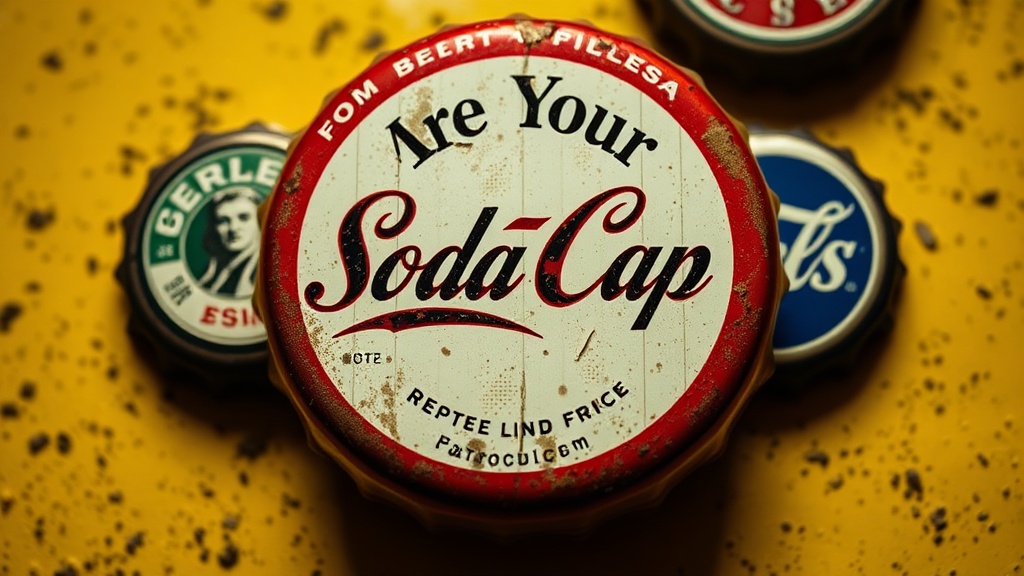
Are Your Vintage Soda Caps Actually Worthless Reproductions?

The vintage soda cap market has exploded—rare specimens now fetch upward of $1,200 at auction. But here's what most collectors don't realize: estimates suggest as many as 15% of "vintage" caps circulating online are convincing reproductions or outright fakes. That dusty collection you've been curating for years? Some pieces might not be authentic at all. This guide covers the telltale signs that separate genuine vintage soda bottle caps from worthless knockoffs—and how to protect your collection from costly mistakes.
Why Are Fake Soda Caps Flooding the Market?
The collecting boom of the past decade created perfect conditions for counterfeits. Vintage soda memorabilia—once dismissed as roadside trash—now commands serious money. Unscrupulous sellers spotted the opportunity, and reproductions started appearing everywhere from eBay listings to flea market tables. The problem isn't just dishonest dealers; many reproductions were manufactured decades ago as souvenirs or promotional items and have since aged enough to look authentic.
Some fakes are laughably obvious—shiny new metal with artificially distressed paint. Others are sophisticated enough to fool experienced collectors. The Coca-Cola contour bottle caps from the 1950s and 1960s are particularly vulnerable to reproduction because they're perennial favorites. A genuine 1950s Coke cap in mint condition might sell for $50–$150. A reproduction that cost pennies to manufacture? It could still fool someone into paying premium prices.
Authentication matters for reasons beyond money. Your collection tells a story about American beverage history, regional bottling operations, and graphic design evolution. Fake caps corrupt that narrative. Worse, every dollar spent on counterfeits drains resources that could acquire legitimate pieces—and rewards the people undermining the hobby.
What Visual Clues Reveal a Cap's Authenticity?
Start with the metal itself. Genuine vintage caps from the 1940s through 1970s were manufactured from steel with a thin tin coating. This construction gives authentic pieces a specific weight and rigidity. Modern reproductions often use aluminum—which is lighter, softer, and responds differently to denting. Hold the cap in your hand. Does it feel substantial? Steel caps have heft that aluminum imitations can't replicate.
Next, examine the crimp—the ridged edge that gripped the bottle neck. Vintage manufacturing equipment produced crimps with consistent, tight patterns. Modern reproductions often show uneven spacing or crimps that look "machined" rather than pressed. Under magnification, authentic vintage crimps reveal slight variations from the pressing process. Perfect uniformity is actually a red flag.
The cork liner inside the cap provides another authentication point. Vintage liners were made from real cork composite—textured, slightly irregular, and prone to crumbling with age. Many reproductions use foam or synthetic materials that look too clean, too uniform, or suspiciously well-preserved. A 60-year-old cap with pristine white cork? That's worth questioning.
Paint and printing quality reveal volumes. Vintage caps used hand-mixed inks applied through screen printing or offset processes. Colors were rarely perfectly consistent—slight variations between batches were normal. Modern digital printing produces unnaturally uniform colors with razor-sharp edges. Look for slight misregistration, minor color bleeding, or tiny imperfections. Paradoxically, these "flaws" often indicate authenticity.
How Can You Spot Aging Patterns vs. Artificial Distressing?
Fake aging is an art form—and one that counterfeiters have refined. But manufactured wear follows predictable patterns that differ from genuine aging. Understanding these differences protects you from sophisticated scams.
Genuine patina develops unevenly. Steel caps oxidize from the edges inward, creating rust patterns that follow the metal's grain and exposure points. Paint fades differentially based on which surfaces faced light, moisture, and handling. A cap stored in a cool, dark basement develops entirely different characteristics than one that sat in a sunny window display. This irregularity is your friend.
Artificial distressing—chemical treatments, abrasion, or deliberate rusting—tends toward uniformity. Sellers trying to "age" reproductions often overdo it, creating caps that look uniformly "old" rather than naturally aged. Watch for rust that seems painted on rather than grown. Be suspicious of caps where every surface shows identical wear levels.
One particularly clever reproduction technique involves combining genuine vintage caps with reproduction crowns (the top printing). A seller takes a worthless common cap from the 1960s, removes the original printed crown, and attaches a reproduction "rare" design. These hybrids pass casual inspection because the base cap is genuinely old. Close examination of the attachment point—usually visible under magnification—reveals the tampering.
For more on authentication techniques used by professional appraisers, the Antique Trader offers excellent resources on vintage advertising collectibles.
Which Resources Can Help You Verify Questionable Caps?
Building authentication skills takes time, but you don't have to work alone. Several resources help collectors verify suspicious pieces before money changes hands.
Reference books remain invaluable—particularly specialized soda cap catalogs that document known reproductions alongside authentic pieces. The "Soda and Beer Cap Identification Guide" and similar collector references photograph known fakes with explanations of their flaws. These books cost money, but they're cheaper than buying a single expensive counterfeit.
Online communities provide crowdsourced expertise. The r/bottlecaps subreddit and specialized Facebook groups include experienced collectors who've handled thousands of caps. Post clear photos—front, back, edge, and cork liner—and ask for authentication opinions. Most experienced collectors genuinely enjoy helping spot fakes; protecting the hobby's integrity benefits everyone.
Professional authentication services exist for high-value pieces. Companies like PSA (Professional Sports Authenticator) now offer vintage advertising authentication, including soda memorabilia. The cost—typically $20–$50 per item—is prohibitive for common caps but entirely reasonable for specimens worth hundreds of dollars. Authentication adds resale value and provides insurance documentation.
For regional or obscure brands, contact local historical societies or bottling museums. Many maintain archives of their region's beverage history and can verify whether specific designs were actually produced. The Bottle Collecting Resources at Alex Raskin Antiques maintains an excellent directory of regional archives and specialty resources.
When Should You Walk Away from a Suspicious Deal?
Even with knowledge and resources, gut instinct matters. Certain seller behaviors should trigger immediate caution—regardless of how attractive the caps appear.
Beware of "too good to be true" pricing. That $400 cap offered for $40 isn't a steal; it's a trap. Scammers count on greed overriding judgment. Similarly, sellers who resist detailed photos, decline questions about provenance, or pressure quick decisions are waving red flags. Legitimate collectors generally welcome scrutiny; they know their items are authentic and aren't threatened by examination.
Be particularly cautious with "fresh finds" from estate sales or storage units. While these stories are sometimes true, they're also the favored narrative of counterfeiters. The classic scam: seller claims they found a box of pristine vintage caps while cleaning their grandfather's garage. The caps look old—because the base metal might be—but the designs are reproductions applied recently.
Documentation helps, but only if it's verifiable. A handwritten note claiming "found in 1967" proves nothing. Authentic documentation includes dated photographs, original sales receipts, or auction records from established houses. Even then, sophisticated operations forge paperwork. Treat documentation as supporting evidence, not proof.
Finally, accept that passing on uncertain pieces is wisdom, not weakness. The vintage soda cap market isn't going anywhere. Better to wait for verifiable specimens than contaminate your collection with questions. Every fake you avoid saves money, preserves your collection's integrity, and denies profit to counterfeiters.
Authentication skills develop through handling thousands of genuine caps, studying known reproductions, and learning from mistakes—yours and others'. Start with inexpensive common caps to build your baseline understanding of authentic vintage characteristics. Gradually work toward rarer pieces as your confidence grows. The collectors who build the most valuable collections aren't necessarily the ones with the biggest budgets—they're the ones who refused to be fooled.