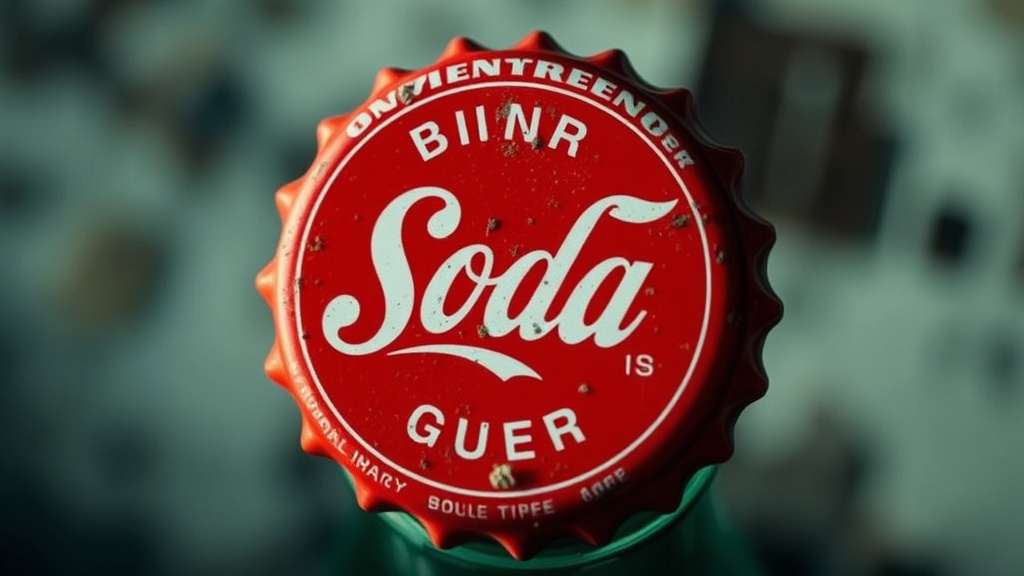
10 Most Valuable Soda Bottle Caps That Could Be Hiding in Your Collection

Early Coca-Cola Cork-Lined Caps (1900s-1920s)
Pepsi-Cola Patriotic Star Cork Caps from WWII Era
Dr Pepper 10-2-4 Advertising Caps from the 1930s
7-Up Bubble Girl Cork Liner Varieties
Orange Crush Painted Metal Caps with Original Cork
Royal Crown Cola Space Theme Caps from the 1960s
Moxie Nerve Food Pre-1900s Paper Label Caps
NuGrape Comic Strip Advertising Series Caps
Hires Root Beer Boy Illustration Cork Caps
Regional Bottler Error and Misprint Varieties
That dusty jar of bottle caps on the shelf might hold more than sentimental value. While most soda caps trade for pennies, certain rare specimens command prices that rival vintage baseball cards. This post breaks down ten of the most valuable soda bottle caps ever produced—what makes them worth money, how to identify them, and what collectors actually pay at auction. Whether you're a seasoned collector or someone who just found Grandpa's old cap collection, here's what to look for before tossing anything in the recycling bin.
What Makes a Soda Bottle Cap Valuable?
Rarity drives everything. A cap from a limited production run—maybe 500 bottles for a local festival—beats a million-unit Coca-Cola cap every time. Condition matters too. Mint caps with zero dents, original cork or plastic liners intact, and unfaded paint fetch premiums. The sweet spot? A cap nobody saved because nobody thought to save it.
Provenance helps. Caps from defunct regional bottlers, promotional campaigns that flopped, or bottles pulled from shelves early create scarcity. Error caps—misprints, double-struck designs, wrong colors—attract specialists who'll pay absurd money for manufacturing mistakes.
The market has shifted. Twenty years ago, nobody cared about craft soda caps. Today, early caps from brands like Jones Soda or Maine Root sell for $20-50 because collectors want complete sets from the "microbrew soda" era.
Are Old Coca-Cola Bottle Caps Worth Money?
Some are—especially pre-1960s cork-lined examples and specific promotional issues. Coca-Cola produced billions of caps, so common modern versions hold little value. The exceptions matter.
1950s Cork-Lined Coca-Cola Caps
Before plastic liners took over, Coca-Cola used cork sealed inside metal crowns. These vintage cork-lined caps from the 1950s and earlier sell for $5-25 depending on condition. The "Hutchinson" script variants—featuring the old-fashioned Coca-Cola logo—command $40-75 at specialty auctions. Check the underside: intact cork with visible "Coca-Cola" embossing beats a crumbling mess.
1960s NFL Team Caps
In 1965, Coca-Cola issued metal caps featuring NFL team logos—a complete set of 14 teams. Individual caps sell for $15-30, but complete uncirculated sets have fetched $800-1,200. The Green Bay Packers cap from this series commands a premium (Lombardi era, naturally). Most were used and discarded, so survivors carry weight.
1970s "Baseball Cap" Promotion
Coca-Cola issued caps shaped like actual baseball caps—tiny fabric covers over metal crowns featuring major league teams. These weren't traditional bottle caps, but collectors categorize them together. Complete sets in original packaging sell for $300-500. Individual caps run $25-75 depending on the team—Yankees and Red Sox lead, naturally.
Which Pepsi Bottle Caps Are Worth the Most?
Pepsi's promotional caps from the 1960s-70s dominate the high-end market, particularly sports and music collaborations that captured cultural moments.
1963 Pepsi NFL Caps
Pepsi beat Coca-Cola to the NFL licensing game. Their 1963 series featured thicker metal, brighter colors, and team logos inside a distinctive "football" border. These caps are noticeably heavier than standard issues. High-grade examples sell for $50-100 each. The Baltimore Colts cap (pre-Indianapolis move) represents a weird historical artifact—expect $150+ for mint specimens.
Michael Jackson "Bad" Tour Caps (1988)
Pepsi's partnership with Michael Jackson produced limited-edition caps for the "Bad" tour—distributed only at select concert venues and promotional events. These black caps with gold lettering trade for $200-400 when authenticated. Counterfeits flood the market, so provenance documentation (concert tickets, original packaging) adds significant value. The official Michael Jackson estate occasionally references these promotions in archival materials.
Pepsi Challenge Caps (1975-1983)
The famous "Pepsi Challenge" taste test spawned regional cap variations. Early caps from the test markets—Texas, California, select Midwest cities—feature different fonts and color schemes than the national rollout. Regional specialists hunt these with intensity. Prices range $10-40 depending on the specific variation and documented origin.
What Are the Rarest Regional Soda Bottle Caps?
Small bottlers created the true holy grails—caps produced in quantities measured in thousands, not millions. These rarely appear on eBay because sellers don't know what they have.
Hires Root Beer "Centennial" Cap (1976)
Hires celebrated America's bicentennial with a limited run of copper-colored caps featuring the Liberty Bell. Most bottlers used standard red-and-white caps that year. The copper variants appeared only in specific Midwest distribution areas. Authentic examples with the copper finish intact sell for $150-300. The catch? Many have oxidized to an indistinguishable brown. Original luster separates $10 caps from $300 caps.
Dr Pepper "10-2-4" Military Base Caps (1940s)
During World War II, Dr Pepper produced special caps for military bases featuring the "10-2-4" slogan alongside base insignias. These were never sold commercially—only distributed through PX stores. Caps from closed bases (many WWII installations no longer exist) carry historical significance beyond collectibility. Documented examples from specific bases sell for $200-500 at militaria shows. The Dr Pepper Museum in Waco, Texas maintains archives of these wartime issues.
Nehi "Soda Fountain" Series (1950s)
Nehi's regional bottlers experimented with colorful "soda fountain" caps featuring illustrated sundaes, floats, and fountain glasses. These appeared primarily in the Southeast and Midwest. Each flavor had distinct artwork—grape featured purple soda, orange had citrus imagery. Complete flavor sets command $400-600. Individual caps run $25-75 depending on condition and specific design complexity.
How Do Modern Soda Caps Become Valuable?
Don't ignore contemporary caps. The collectibles market moves faster than ever, and limited releases create instant scarcity.
Jones Soda "Holiday" Caps (1996-2005)
Jones Soda's early years produced small-batch seasonal flavors with unique cap designs. The 1996 "Turkey & Gravy" Thanksgiving soda—infamous for its bizarre flavor—featured a gold cap with embossed turkey imagery. These caps, saved by almost nobody because who saves weird novelty soda caps?, now sell for $75-150. Other early Jones seasonal caps (Brussels Sprout, Salmon) command similar premiums. The brand's cult following drives demand for these "founding era" pieces.
Maine Root "Original Run" Caps (2004-2008)
Before national distribution, Maine Root hand-bottled sodas in Portland with simple crown caps featuring a hand-drawn root graphic. These early caps lacked the professional printing of later issues. Collectors distinguish "Portland era" caps by their slightly irregular edges and lighter metal weight. Expect $30-60 for verified early examples. The company's official website documents their expansion timeline for authentication purposes.
Boylan Bottleworks "Heritage" Cork Caps (1990s)
Boylan resisted plastic liners longer than most, using cork-sealed crowns into the late 1990s. Their thick-gauge metal caps with embossed "Est. 1891" lettering represent the end of an era. Early flavors—Creamy Red Birch Beer, Black Cherry—had distinct color schemes discontinued after the cork-to-plastic transition. Complete early sets sell for $150-250.
Valuation Comparison: What Collectors Actually Pay
| Cap Description | Condition | Typical Range | Premium Factors |
|---|---|---|---|
| 1950s Coca-Cola Cork | Good (minor wear) | $5-15 | Intact cork, no rust |
| 1963 Pepsi NFL | Mint | $50-100 | Original luster, no dents |
| Michael Jackson "Bad" Cap | Authenticated | $200-400 | Documentation, venue origin |
| Dr Pepper WWII Military | Varies | $200-500 | Specific base, provenance |
| Jones "Turkey & Gravy" Gold | Mint | $75-150 | No scratches, full embossing |
| Nehi Soda Fountain Series | Good to Mint | $25-75 each | Complete sets multiply value |
Worth noting: these prices reflect private sales and established auction results. eBay "Buy It Now" listings often ask double—actual sale prices tell the real story. The Bottle Cap Index tracks verified transactions for serious collectors.
Authentication Red Flags
The bottle cap forgery market isn't sophisticated—yet. Most fakes are obvious: wrong metal weight, colors too bright (reproductions use modern paints), or fonts slightly off. Compare suspected rarities against documented examples in collector guides.
Reproduction "vintage" caps flood craft soda markets. These aren't forgeries—just new caps designed to look old. Check the underside: modern liners, clean metal, and sharp edges indicate recent production. True vintage caps show age patterns even when well-preserved.
Storage matters more than most collectors admit. Caps kept in humid environments develop "liner rot"—cork or plastic degradation that stains the metal from inside. Once this starts, value drops regardless of exterior appearance. The best collections live in acid-free sleeves, away from temperature fluctuations.
Where to Sell Valuable Bottle Caps
General eBay auctions work for common items, but specialized sales yield better returns for rarities. The Bottle Cap Collectors Club runs quarterly auctions with authenticated lots. Regional soda collector shows—particularly in the Midwest and Southeast where bottling history runs deep—attract serious buyers who'll pay premiums for provenance.
Consider consignment for items over $500. Established dealers have mailing lists of specialists seeking specific variants. Their commission (typically 15-25%) often pays for itself through higher realized prices. Documentation sells caps—period photos, original packaging, or bottler correspondence add layers of value that casual sellers overlook.
That jar on the shelf deserves a second look. Most caps are worthless. A few might fund your next collecting obsession—or at least buy a very nice dinner. Happy hunting.